Choosing Heavy Duty Double Deep Pallet Racking is not simply a matter of adding more storage positions. It changes how pallets enter, leave, and remain visible inside a warehouse. A sound decision begins with measured facts: pallet dimensions, load weights, forklift reach, aisle width, ceiling height, and daily movement patterns. Even a small difference in pallet depth can affect beam clearance and safe handling. The seven tips in this guide focus on practical checks that warehouse managers, storage consultants, and experienced installers commonly use before approving a racking layout. Details matter.
Double-deep systems can improve space utilization, especially where inventory moves in predictable batches. However, they may reduce direct access to individual pallets. That trade-off deserves honest attention. A layout that looks efficient on paper may slow picking during peak hours. Operators should review rack load data, upright protection, floor conditions, and equipment compatibility with qualified professionals. Manufacturer specifications and applicable workplace safety requirements must also be verified before installation. No layout is perfect. Real warehouses contain damaged pallets, uneven traffic, rushed decisions, and occasional measurement errors. These realities should shape the design, not be ignored. The following guidance explains how to compare capacity, accessibility, durability, and long-term operating costs, while recognizing that the cheapest initial option may create expensive handling problems later. Careful planning protects products, workers, and investment.
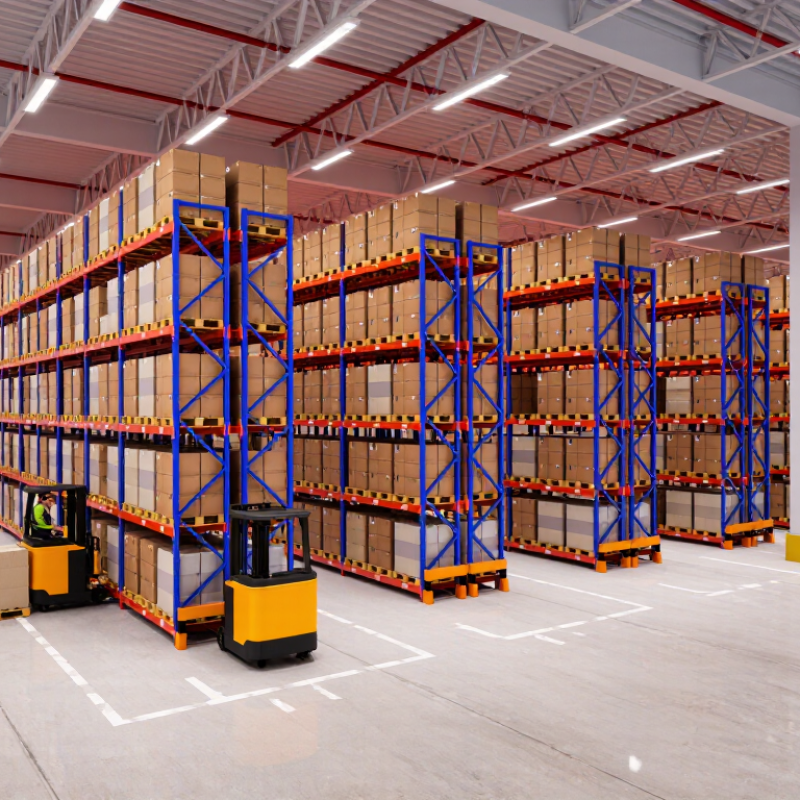
Define Load Capacity and Pallet Requirements
Before choosing heavy duty double deep pallet racking, record the heaviest fully loaded pallet, not just the average. Include the pallet’s own weight, packaging, and any unevenly placed goods. Then measure its width, depth, and height, including any overhang. Small details matter. A load that fits on paper may still obstruct neighboring pallets or reduce safe clearance.
Check the rack’s rated capacity for the exact beam span, frame height, and storage arrangement. Capacity per pallet position is not the same as capacity for an entire beam level or upright frame. Ask a qualified rack supplier or engineer to confirm the proposed layout against your real load data. Also inspect pallet condition and entry openings; broken boards or limited fork clearance can make an otherwise suitable system difficult to use. Double deep storage can reduce aisle needs, but rear pallets are less accessible, so consider whether the same products can share a lane and how often they must be retrieved. I have seen teams focus on maximum weight and overlook pallet variation. Recheck the measurements with actual stock before installation.
FAQS
Record the heaviest fully loaded pallet, including packaging and pallet weight. Measure its width, depth, height, and any overhang. Check how unevenly goods sit.
Check capacity for the exact beam span, frame height, and storage arrangement. Position capacity differs from beam-level or upright-frame capacity. Ask a qualified specialist to review your actual load data.
The forklift must reach past the front pallet to place or retrieve the rear one. Measure aisle width, lift height, and reach distance. A suitable reach truck may be needed.
No. Check its rated capacity at the required lift height and reach. Attachments can reduce capacity, while tall loads may block the operator’s view. Visibility matters.
Review rack drawings, pallet weights, and aisle measurements with a qualified equipment provider. Test the proposed truck with representative loads in the storage area. Watch for tight turns and blocked sightlines.
No. Rear pallets are less accessible, so consider how often each product is retrieved. Keeping similar products in one lane can help, but real inventory rarely stays perfectly uniform.
Check floor capacity, slab condition, aisle width, and sprinkler clearance. Qualified installers should anchor and level frames, then inspect connections and impact protection. Measure twice.
Allow room for possible extra rows or beam levels. Verify that uprights, anchors, and floor capacity can support changes. Keep drawings and inspection records current; expansion needs engineering, not improvisation.
Conclusion
Choosing Heavy Duty Double Deep Pallet Racking starts with understanding the weight, size, and quantity of the pallets you need to store. Confirm that the system’s load capacity suits your inventory, then measure the warehouse carefully, including ceiling height, floor conditions, aisle widths, and clearance around doors and equipment. These details help determine suitable rack dimensions and whether a double-deep layout can improve storage density without restricting safe access.
Next, consider how your forklifts will reach pallets stored behind the front row, since the configuration may require specialized equipment and careful operating procedures. Before installation, check that the design follows applicable safety standards and that the racks are assembled and inspected appropriately. Planning for future inventory changes, additional capacity, and warehouse growth can also help you choose a flexible system that remains practical over time.
