Blog
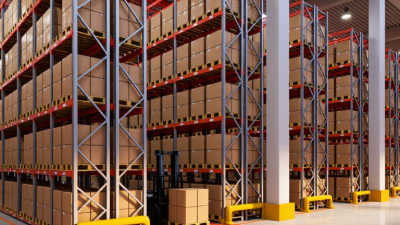
Which Heavy Duty Drive In Racking Is Best in 2026?
Choosing the best Heavy Duty Drive In Racking for 2026 requires more than comparing steel thickness or advertised capacity. Warehouse conditions decide whether a system performs safely and efficiently. This guide examines pallet dimensions, load weights, storage depth, forklift access, and product turnover. These details often matter more than a low purchase price.
Heavy Duty Drive In Racking suits high-density storage with many pallets holding the same product. It reduces aisle space and uses a guided forklift entry system. However, it is not ideal for every inventory profile. LIFO operation may slow access when products change frequently. Deep lanes can also increase handling risks if operators lack proper training. Small differences in pallet quality can affect rail alignment, clearance, and stability.
Practical evaluation should include upright strength, rail design, bracing, floor conditions, and impact protection. A reliable supplier should provide tested load data, installation guidance, inspection procedures, and replacement support. Local safety requirements must also be reviewed before installation. Field experience suggests that the “best” rack is rarely the strongest one. It is the system matching actual warehouse traffic and product flow.
Some decisions remain uncertain.
A site survey can reveal hidden constraints, including uneven floors, restricted turning space, or changing pallet heights. These issues deserve attention before final specifications are approved. The following comparison considers capacity, accessibility, durability, safety, maintenance, and long-term value. It also questions common assumptions, because maximum density alone does not guarantee the best warehouse result.
Read more »
 By:Amelia
- November 2, 2026
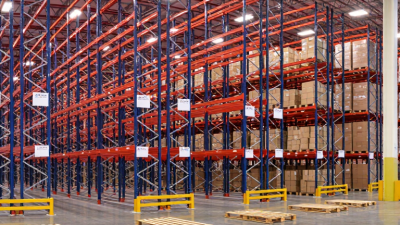
2026 Best Heavy Duty Selective Pallet Racking for Warehouses
A warehouse rack is not just steel in a neat grid. It is a load-bearing system shaped by pallet weight, forklift turning space, beam levels, and daily handling. The right Heavy Duty Selective Pallet Racking can make every pallet position directly accessible, but poor load assumptions can turn a tidy layout into a costly constraint.
Demand keeps storage decisions under pressure. The U.S. Census Bureau reported that U.S. retail e-commerce sales reached $1.19 trillion in 2024, or 16.1% of total retail sales. MHI’s 2024 Annual Industry Report also found that 55% of surveyed supply-chain professionals planned to increase investment in supply-chain innovation over the next five years. These figures do not dictate a rack design. They do show why capacity, access, and adaptability deserve careful review.
Rack Manufacturers Institute (RMI) guidance is a useful technical reference for selecting and using steel storage racks. John Paxton, MHI’s president and CEO, has discussed the need for supply chains to adapt through innovation. A practical takeaway for rack planning is: “Design for the load, the aisle, and the next change.” That sentence is a planning principle, not a verbatim Paxton quotation. It is worth remembering. This guide compares heavy-duty selective systems by capacity, configuration, safety features, and operating fit. No rack is best for every warehouse. Measure the real loads, check the floor and equipment constraints, and question assumptions before ordering.
Read more »
By:Amelia
- November 2, 2026
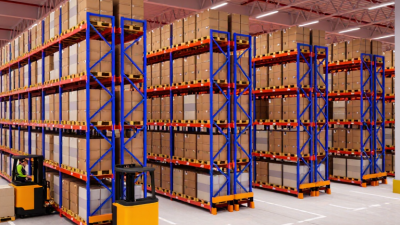
7 Tips for Choosing Heavy Duty Double Deep Pallet Racking
Choosing Heavy Duty Double Deep Pallet Racking is not simply a matter of adding more storage positions. It changes how pallets enter, leave, and remain visible inside a warehouse. A sound decision begins with measured facts: pallet dimensions, load weights, forklift reach, aisle width, ceiling height, and daily movement patterns. Even a small difference in pallet depth can affect beam clearance and safe handling. The seven tips in this guide focus on practical checks that warehouse managers, storage consultants, and experienced installers commonly use before approving a racking layout. Details matter.
Double-deep systems can improve space utilization, especially where inventory moves in predictable batches. However, they may reduce direct access to individual pallets. That trade-off deserves honest attention. A layout that looks efficient on paper may slow picking during peak hours. Operators should review rack load data, upright protection, floor conditions, and equipment compatibility with qualified professionals. Manufacturer specifications and applicable workplace safety requirements must also be verified before installation. No layout is perfect. Real warehouses contain damaged pallets, uneven traffic, rushed decisions, and occasional measurement errors. These realities should shape the design, not be ignored. The following guidance explains how to compare capacity, accessibility, durability, and long-term operating costs, while recognizing that the cheapest initial option may create expensive handling problems later. Careful planning protects products, workers, and investment.
Read more »
By:Amelia
- November 2, 2026