1. The Surge in Cold-Chain and Sub-Zero Food Logistics
Modern consumers demand fresh, organic, and frozen foodstuffs, leading to multi-billion-dollar global investments in sub-zero refrigerated distribution facilities. Operating in temperature ranges from 0°F down to -30°F drastically impacts steel ductility. Standard light-gauge cold-formed sheet steels are prone to cold embrittlement and catastrophic micro-cracking upon impact.
Structural hot-rolled steel channels maintain significant material toughness and energy absorption at freezing temperatures. Furthermore, because structural shapes feature open C-channel sections without internal enclosed cavities, they eliminate moisture entrapment, resist corrosion under wash-down sanitation routines, and accommodate hot-dip galvanizing without warping.
2. Hybrid Structural/Roll-Formed Architectural Configurations
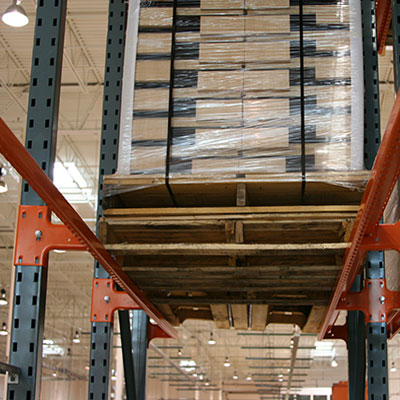
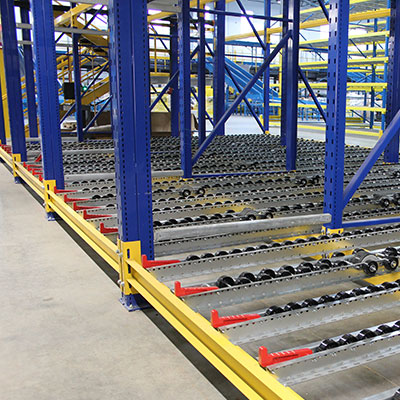
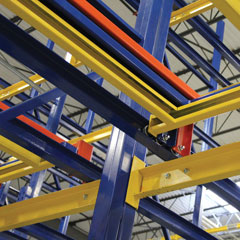
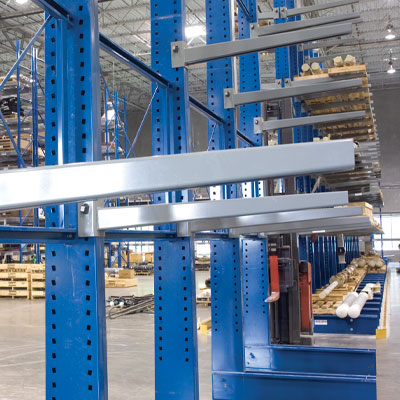
Modern procurement leaders must balance structural ruggedness against overall CAPEX budgets. A major emerging trend across Tier-1 logistics networks is the deployment of hybrid rack engineering. By utilizing heavy-duty structural C-channel upright frames for the lower 6 to 10 feet where forklift mast and outrigger impacts occur, paired with roll-formed step beams or upper-level frames, facilities capture up to 80% of structural impact resilience while cutting total project steel costs by 15% to 25%.
3. Seismic Code Stringency & Site Soil Classification
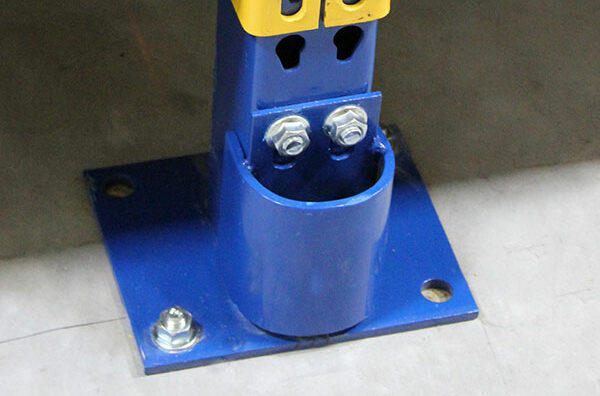
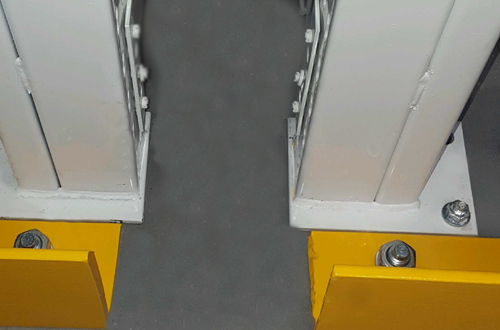
Updated International Building Code (IBC) cycles alongside ASCE 7 standards have raised equivalent lateral earthquake force coefficients worldwide. High-density urban logistics centers are frequently built on reclaimed coastal ground, soft clay, or seismic active fault zones. Hot-rolled structural uprights, paired with oversized structural baseplates and certified anchor bolt embedment, deliver the ductile inelastic performance required to prevent warehouse collapse during high-magnitude seismic events.
4. High-Bay Autonomous Mobile Robot (AMR) & AS/RS Compatibility
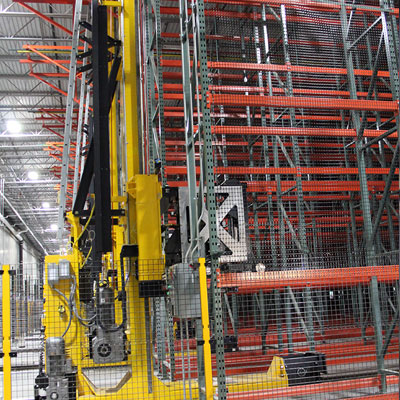
As autonomous guided vehicles (AGVs), unit-load cranes, and mobile automation proliferate, tolerance thresholds have tightened from quarter-inch allowances down to millimeters. Deflection under full rated pallet loading cannot exceed the tight tolerances demanded by robotic optical sensors. Structural channel beams and welded column frames provide the rigid structural modulus required for automation reliability.