The Global Pallet Storage Dilemma: Engineering Structural Integrity vs. Cubic Throughput
In the era of hyper-automated fulfillment, high-bay real estate costs, and increasingly strict building safety codes, purchasing industrial pallet storage systems is no longer a simple catalog commodity transaction. It is a complex engineering discipline that dictates operational velocity, seismic life-safety compliance, and return on warehouse capital investment.
Modern enterprise procurement directors face unprecedented operational pressures. Supply chains are transitioning from static, predictable inventory holdings to omni-channel distribution models characterized by unpredictable SKU proliferation, compressed picking windows, and heavy lift-truck traffic. At the very center of this intralogistics ecosystem sits the humble warehouse pallet—carrying thousands of pounds of valuable merchandise per position, elevated 30 to 50 feet into the air above operating warehouse personnel.
When selecting industrial pallet racks, global supply chain executives frequently grapple with three fundamental structural trade-offs:
Selectivity vs. Storage Density: Balancing 100% pallet accessibility against the floor-space savings of multi-deep dynamic lane configurations.
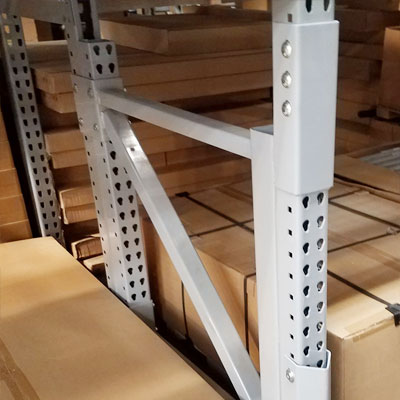
Roll-Formed Modularity vs. Structural Steel Durability: Evaluating lower initial fabrication capital expenditure against catastrophic forklift impact resistance and operational lifecycle costs.
Manual Material Handling vs. Sub-Millimeter AS/RS Readiness: Designing flexible rack frameworks capable of integrating automated pallet shuttles, robotic stackers, and AI vision sorting without total frame teardowns.
Global Seismic & Fire Compliance: Verifying local IBC codes, dynamic baseplate anchorage shear limits, and NFPA in-rack sprinkler hydraulic clearances.
At UNARCO RACKING, our engineering teams synthesize nearly 70 years of material handling expertise to solve these exact systemic dilemmas. Rather than offering one-size-fits-all components, UNARCO RACKING models the dynamic kinematics, concrete foundation mechanics, and load vectors of each distribution center to build optimized, high-throughput pallet ecosystems.
Engineered Pallet System Recommendations: Matching Mechanical Design to SKU Velocity
Every SKU profile requires a distinct spatial dynamic. Review our engineering recommendations designed for optimal pallet density, FIFO/LIFO rotation, and extreme seismic environments.
Selective Pallet Rack
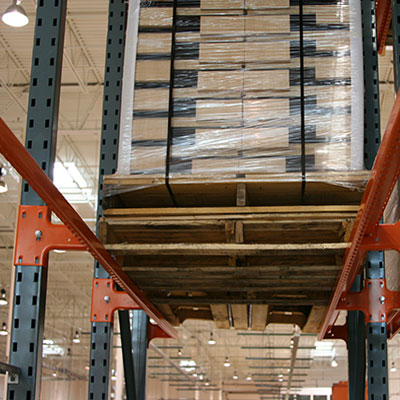
Primary Mechanical Profile: 100% immediate selectivity; teardrop roll-formed or structural C-channel steel. Ideal for distribution centers managing diverse SKU catalogs with rapid turnover, standard forklift fleets, and evolving warehouse footprints.
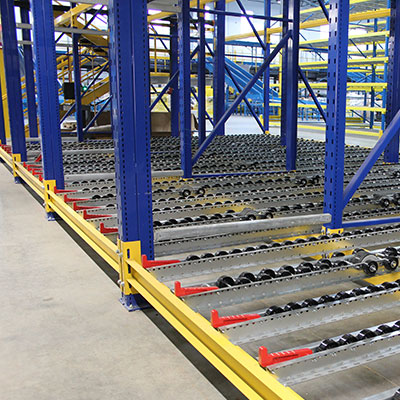
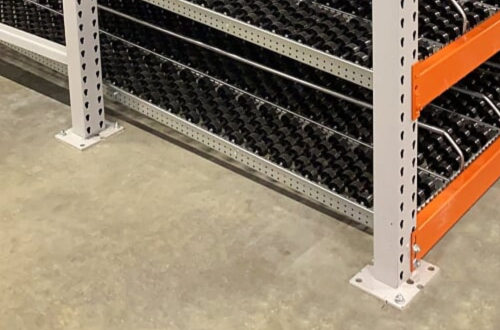
Primary Mechanical Profile: Gravity-fed FIFO lane rotation with heavy-duty skate wheel or full-width steel roller tracks and integrated centrifugal speed controllers. Engineered for food processing, pharmaceuticals, and date-coded goods.
Structural Strength: Cuts forklift travel time by 60%, separates loading and unloading aisles, maximizes cubic density.
Primary Mechanical Profile: High-density nested-cart LIFO system supporting 2-deep to 6-deep pallet positions per lane. Built with heavy-gauge low-profile steel rolling carts on inclined structural channels to prevent rack hang-ups.
Structural Strength: Reduces aisle requirements while preserving multi-level SKU pick faces across batch manufacturing.
Primary Mechanical Profile: Maximum footprint compression with continuous pallet support rails allowing lift trucks to drive directly into structural storage bays. Unrivaled for cold-chain freezers and seasonal homogeneous inventories.
Structural Strength: Hot-rolled structural steel columns resist heavy vehicle contact; minimizes conditioned air energy loss.
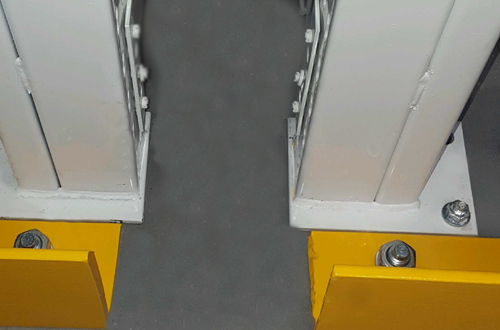
Primary Mechanical Profile: Certified bolt-on structural replacement systems engineered to restore damaged vertical upright columns in place without requiring full bay disassembly, reducing facility downtime and costly offloading.
Structural Strength: Heavy C-channel structural steel reinforces high-impact zones beyond the strength of original OEM frames.
Deep Technical Evaluation: Structural Steel vs. Roll-Formed Pallet Racks
Global procurement teams must balance structural yield strength, cyclic fatigue limits, and total lifecycle costs. Below is an engineering comparison matrix comparing both steel fabrication methodologies.
Structural Criteria
Structural C-Channel Pallet Rack
Roll-Formed Pallet Rack
Procurement & Engineering Verdict
Steel Fabrication Method
Hot-rolled ASTM-grade structural C-channel steel. Heavy uniform flange thickness throughout.
Cold-formed steel strip bent incrementally into tubular/open profiles at ambient temperature.
Structural provides vastly superior mechanical toughness; roll-formed offers maximum geometric versatility.
Impact Resistance (Forklift Collision)
Massive energy absorption. Resistant to puncture, buckling, and torsional twist.
Moderate. Susceptible to column denting and local web buckling from acute mast collisions.
Specify structural steel for high-velocity cross-docks, drive-in systems, and sub-zero cold storage operations.
Beam Connection Mechanism
Heavy structural bolts (Grade 5 or Grade 8) through thick welded endplates; bolted moment connection.
Patented teardrop or slotted punch with return tabs and spring-loaded automatic locking pins.
Roll-formed allows rapid tool-free beam elevation adjustments; structural guarantees rigid bolted connections under severe cyclic loading.
Seismic Performance & Ductility
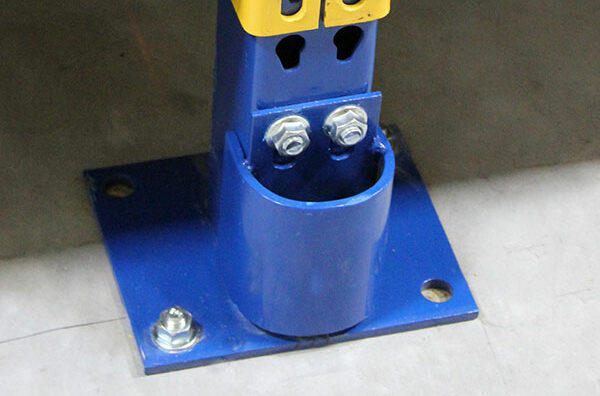
High rotational joint stiffness; large moment baseplates distribute vertical shears into foundation footings.
Flexible energy dissipation through frame connection ductility; requires engineered baseplate expansion.
Both meet ANSI MH16.1 RMI standards when engineered by UNARCO RACKING with site-specific seismic ground spectral accelerations.
Acceptable under controlled operating speeds; higher frequency of upright damage requiring post guards.
Structural C-channel steel is the industry standard for sub-zero food and cold storage pallet operations.
Initial CapEx vs. 15-Year TCO
Higher initial raw material and installation costs, but minimal 15-year lifecycle repair or replacement costs.
Lower initial capital expenditure and freight costs; higher maintenance and repair kit frequency.
Select roll-formed for general distribution warehouses; select structural steel for operations running 24/7 heavy throughput.
All structural and roll-formed pallet racking systems manufactured by UNARCO RACKING comply with American National Standard ANSI MH16.1 (Specification for the Design, Testing and Utilization of Industrial Steel Storage Racks). Load calculations are available upon request via [email protected].
Industry Horizon
Future Pallet Procurement Trends: The Next Era of Warehouse Infrastructure
Procurement strategies are undergoing seismic transformations driven by automation, stricter environmental mandates, and real-time operational safety technology. How tier-one facilities are evolving their pallet storage architecture.
Smart, Sustainable StorageEngineering forward-compatible pallet infrastructure built for autonomous warehouse fleets.
Autonomous AMR & Shuttle Synergies
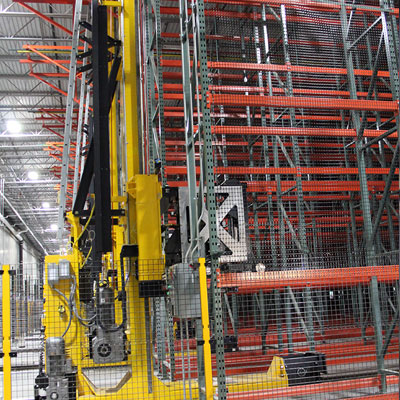
Pallet rack frameworks are transitioning from forklift-accessible bays to dense, automated unit-load cube structures. Autonomous mobile robots (AMRs) and 4-way pallet shuttles require micro-tolerance rack rails, precision-machined guide stops, and zero-deflection floor junctions to operate without robotic arm faults.
IoT Structural Health Monitoring
Next-generation pallet storage utilizes integrated strain gauges, piezoelectric impact sensors, and continuous tilt telemetry embedded within critical upright columns. Real-time dashboards warn logistics engineers of excessive structural deflection, overloading, or unreported forklift collisions instantly.
Sustainable High-Efficiency Coatings
Global procurement teams prioritize ESG targets. Traditional solvent paints are obsolete. Modern manufacturing relies on automated zero-VOC, heavy-metal-free thermoset powder coatings that yield extreme impact abrasion resistance while minimizing carbon footprints across fabrication lifecycles.
Higher Seismic Spectral Acceleration Codes
As international building codes (IBC) and local municipal standards incorporate updated USGS seismic fault data, racking systems face significantly increased seismic force requirements. Specifiers must deploy heavy-duty baseplates, thickened anchors, and engineered cross-aisle tie struts to guarantee life-safety compliance.
Why Tier-1 Global Procurement Teams Engineer with UNARCO RACKING
For nearly seven decades, UNARCO RACKING has defined the standard for engineered warehouse storage equipment. As foundational contributors to the Rack Manufacturers Institute (RMI), our manufacturing plants and engineering teams do not merely produce racking parts—we deliver end-to-end structural assets engineered for peak operating life.
Single-Source Structural & Roll-Formed Capacity: Both hot-rolled structural C-channel and cold-formed coil lines manufactured under one engineering umbrella.
Dedicated PE Structural Engineers: In-house finite element analysis (FEA), concrete slab embedment verification, and site-specific seismic calculations.
Multi-Million-Dollar Automated Powder Coat Lines: Uniform dry-film thickness providing industrial corrosion and impact resistance across tough distribution operations.
Turnkey Project Management: Seamless oversight from architectural layout design and CAD drafting through to certified freight, logistics, and onsite installation.
Proactive Rack Safety Ecosystem: Comprehensive line of bolt-on column straddle guards, row spacers, pallet stops, and engineered bolt-on repair systems.
Nationwide & Global Distributor Network: Rapid local engineering support, replacement components, and fast deployment across international logistics hubs.
Fabricated strictly to ANSI MH16.1 specifications with certified load capacities and dynamic deflection ratings.
Global Logistics
Export-ready bundling, robust containerization packaging, and multi-hub logistics coordination worldwide.
Technical Knowledge
Critical Field Engineering Guidelines for Pallet Storage Installations
Engineering parameters that warehouse safety directors and procurement teams must verify prior to racking deployment.
Structural Anchorage
Effective vs. Nominal Anchor Embedment
Drilling depth (nominal embedment) does not equate to effective embedment depth. True pullout resistance relies on concrete shear cone mechanics, slab compression strength (psi), and steel expansion wedge placement under dynamic seismic overturning forces.
Foundations
Slab Thickness, Joints, and Core Integrity
Installing post baseplates over concrete expansion joints or control cuts causes anchor shear breakout failures. Learn why core sampling, minimum slab thickness (typically 6" to 8"+), and proper baseplate setbacks protect the entire pallet storage array.
Seismic Codes
New Building Code Editions & Dynamic Seismic Forces
Recent International Building Code (IBC) revisions recalculate how high-bay storage racks transmit lateral kinetic loads. UNARCO RACKING customizes frame bracing patterns, heavy-duty baseplates, and horizontal cross-ties to keep distribution centers safe.
Capacity Recalculation
Removing Bottom Beams to Floor-Stack Pallets
Removing bottom beam levels increases unsupported column length (Kl/r ratio), drastically reducing upright capacity. Discover how to recalculate effective unbraced column lengths before altering beam shelf elevations.
Procurement Knowledge Base
Frequently Asked Questions by Global Pallet Storage Buyers
Comprehensive technical answers to the most common queries asked by procurement directors, warehouse engineers, and facilities executives.
How do I determine the right pallet racking system for my facility?
System selection depends on four primary criteria: SKU count versus pallet volume per SKU, required inventory rotation protocol (FIFO vs. LIFO), vertical clear ceiling height and floor slab loading capacity, and material handling equipment (counterbalance, reach truck, VNA, or automated crane/shuttle). High SKU counts with variable orders typically demand Selective Pallet Racking with 100% pallet accessibility. Operations storing deep inventory per SKU benefit from dynamic gravity Pallet Flow (FIFO) or Push Back (LIFO) systems that eliminate wasted forklift access aisles. Connect directly with our engineering division via Contact Us to receive a comprehensive spatial layout review.
What is the mechanical difference between roll-formed and structural steel pallet rack?
Roll-formed pallet racks are shaped from continuous coil steel at ambient temperatures, offering economical modularity, adjustable teardrop or slotted connections, and fast installation for general warehousing. Structural steel racks are manufactured from hot-rolled C-channels with bolted connections, offering massive impact resistance, superior torsional stiffness, and maximum durability in heavy-duty, outdoor, or freezer environments where forklift collisions are frequent.
Why is seismic certification critical in global pallet rack engineering?
Pallet racks act as flexible steel buildings carrying hundreds of metric tons of dynamic live loads. Under seismic excitation, ground accelerations transfer kinetic energy into frame columns and beam-to-column locking assemblies. Engineered seismic racking calculates spectral response accelerations (Ss, S1), baseplate footings, and anchor embedment depth to prevent structural collapse under seismic stress.
Can I safely mix pallet rack components from different manufacturers?
Intermixing components from differing manufacturers without third-party PE certified engineering calculations is hazardous and directly violates ANSI MH16.1 / RMI safety specifications. Column geometry, slot punch tolerances, beam connector prongs, locking mechanisms, and steel yield strengths vary between manufacturers, compromising load ratings. Mixing unverified parts can void certified capacity plaques and insurance coverage.
What engineering parameters are required to calculate pallet beam capacity?
Pallet beam capacity calculations require clear span length, beam section modulus and moment of inertia, yield strength (Fy), pallet unit dimensions, pallet load weight, center of gravity offset, support type (crossbars or wire mesh decking), and deflection limits strictly bound to L/180. Unevenly distributed loads or concentrated skid feet reduce rated beam capacities significantly.
How can I safely repair damaged pallet rack uprights without replacing the whole frame?
Engineered bolt-on rack repair kits allow damaged columns to be replaced in high-impact zones without full teardowns. UNARCO RACKING manufactures heavy structural C-channel repair inserts engineered to exceed the original upright frame's mechanical capacity. Uprights are safely jacked, damaged sections removed, and the structural repair sleeve anchored directly to the slab, restoring certified load ratings with minimal bay downtime.
What warehouse specifications must I provide for an engineered pallet racking proposal?
To produce a fully engineered, RMI-compliant system layout, our project engineers require: architectural CAD drawings showing column grid locations and clear building height under roof joists; concrete floor slab thickness and compressive strength (psi); pallet dimensions (width, depth, height including overhang) and maximum pallet unit weight; SKU profile and turnover velocities; forklift fleet models, mast lift heights, and aisle turn radiuses; and building location for seismic acceleration calculation. Email your project documents to [email protected].
Ready to Engineer Your Pallet Storage Solution?
Consult with UNARCO RACKING project engineers to optimize storage density, structural safety, and life-safety compliance. Email us directly at [email protected].