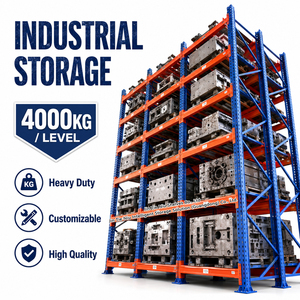
4000KG Heavy Duty Warehouse Rack Pallet Storage System Adjustable Beam Racking
High-load multi-level modular racking engineered for extreme dynamic loads, featuring precision beam-locking pins and high-tensile structural uprights.
Explore heavy-gauge cold-formed steel and structural hollow section (SHS) pallet management solutions tailored for multi-tier stacking and harsh logistics environments.
High-load multi-level modular racking engineered for extreme dynamic loads, featuring precision beam-locking pins and high-tensile structural uprights.
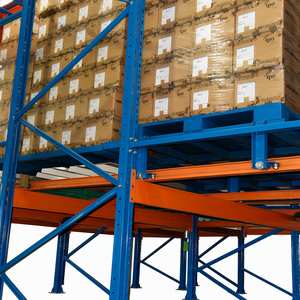
Customizable post-pallet profiles with anti-corrosive powder coating, engineered for selective bulk staging and flexible high-density vertical staging.
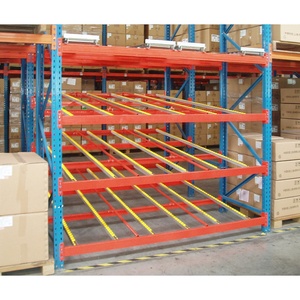
Dynamic gravity-fed roller track units designed for seamless integration into FIFO material flow, reducing picking transit time across logistics lanes.
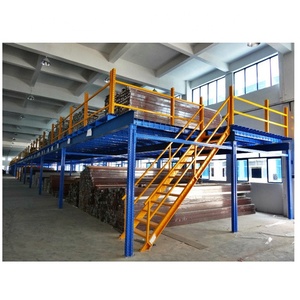
Freestanding structural platforms doubling usable square footage without civil reconstruction; load rated up to 1200kg per square meter.
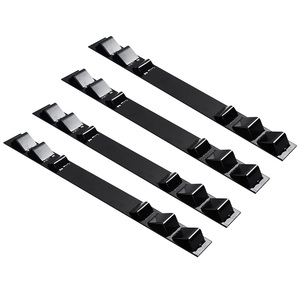
Reinforced transport cradle structures built for dynamic freight containment and rugged logistical handling of coiled metals and heavy cylinders.
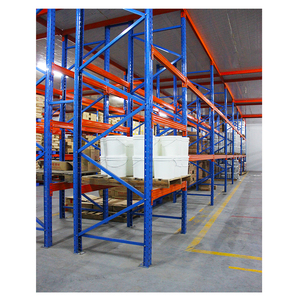
Increased aisle consolidation engineering that stores pairs of pallet positions from a single operating corridor, boosting spatial utilization by 30%.
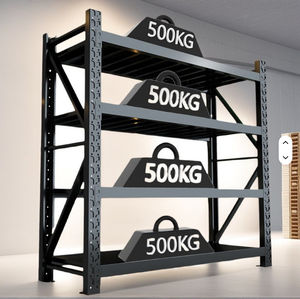
Boltless intermediate industrial storage system with durable electro-deposition priming, optimized for manual sorting and distribution hubs.
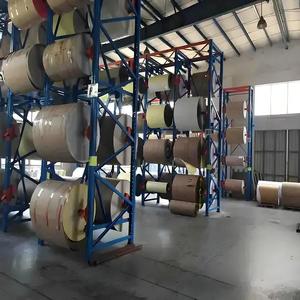
Specialized heavy-duty structural axle support frameworks designed for direct dispensing of spool-wound wire, cable coils, and industrial rope.
A technical overview of load distribution dynamics, nesting geometry, and seismic anchorage design for modern high-turnover logistics centers.
Unlike standard static pallet racks, heavy duty nesting racks utilize angled structural channels and flared inverted cups that allow empty units to slide within each other. This geometry delivers an optimal load-to-weight ratio while maintaining exceptional rigidity during multi-tier high stacking (up to 4-high loaded).
Every nesting post and structural base weld is executed under ISO 3834 certified welding processes and meets ANSI MH16.1 and EN 15512 safety factors. Non-destructive ultrasonic weld testing guarantees that base cup-to-post joints withstand both severe vertical compression and forklift dynamic side-impact forces.
Our raw material undergoes stringent tensile and elongation verification before entering automated punch and roll-form lines. Cold-formed profiles feature minimum 355 MPa yield strength, mitigating frame deflection under sustained peak capacity and preventing structural fatigue in cold storage chambers down to -30°C.
Market forces shaping global supply chains: How engineering managers and procurement leaders balance floor agility, sustainability, and automated material handling.
| Evaluation Parameter | Conventional Fixed Racking | Heavy-Duty Nesting Post Racks | Next-Gen Dynamic AS/RS Hybrid |
|---|---|---|---|
| Spatial Agility | Permanent floor anchoring; re-profiling requires deconstruction. | 100% portable; rearrange or condense entire warehouse zones in hours. | Fixed rails; highly constrained modification pathway. |
| Reverse Logistics ROI | Zero backhaul efficiency; frames remain at static volume. | Up to 75% space recovery when nested (4:1 condensing ratio). | Not applicable for direct road or sea freight returns. |
| Civil Requirements | Requires thick structural slab (6"+) with seismic embedment. | Self-supporting; distributes loads across wider contact surface. | Extreme floor flatness specs (superflat floor tolerance). |
| Impact Resistance | High vulnerability to upright bucking from forklift strikes. | Structural hollow post walls absorb dynamic shocks without buckling. | Protected behind laser perimeter arrays and sensor grids. |
Modern 3PL operators face volatile inventory waves driven by peak retail seasons. Fixed selective racking forces companies to pay for dead cubic space during inventory troughs. Procurement is pivoting toward portable nesting frames: during lulls, 1,000 pallets of empty nesting racks can be condensed into 250 pallet spaces, unlocking thousands of square feet for staging.
With shipping container costs and Scope 3 carbon compliance gaining regulatory urgency across Europe and North America, traditional welded post pallets that ship empty as "dead air" are obsolete. Nestable bases dramatically reduce international container shipping counts by 300% on return cycles, directly driving down emissions per ton-kilometer.
The latest iteration of nesting racks integrates precision-tolerance fork pockets, optical target retroreflectors, and under-clearance heights configured explicitly for heavy-capacity AGVs and AMRs. Facilities are transitioning from manual forklift placement to autonomous guided tuggers navigating nested staging buffers.
Combining nearly 70 years of engineered racking heritage, multi-million-dollar automated finishing lines, and dedicated structural project management.
Our internal civil and structural engineering desk calculates site-specific seismic accelerations, wind loads for outdoor yard nesting, and concrete slab bearing parameters before any steel is rolled.
Multi-million-dollar automated multi-stage pre-treatment and electrostatic powder-coat lines provide minimum 80-micron thermoset polyester coating that resists salt spray, chipping, and heavy forklift abrasions.
From bill-of-materials optimization and nesting tolerance fit testing to international maritime palletization and on-site engineering certification, you retain one accountable partner throughout the lifecycle.
Decades of long-term global deployments supporting Tier-1 automotive assemblies, global cold-chain grocery conglomerates, and top international third-party logistics corporations.
Send your clear ceiling height, pallet dimensions, seismic zone zip code, and unit weight profiles directly to our applications team for structural load certification and layout drawings.
Clear engineering and purchasing answers for supply chain directors, warehouse operations engineers, and overseas logistics buyers.