Years Combined Engineering
Max Tier Load Capacity
Mill Certified Q235B Steel
Global Compliance Verified
High-Performance Industrial Steel Storage Racks & Flow Systems
Direct manufacturer solutions ranging from cold-formed selective pallet racks and high-density radio shuttles to specialized dynamic roller lines, built to eliminate deflection and structural failure.
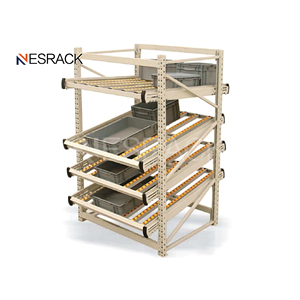
- Continuous FIFO Gravity Rollers
- Q235B High-Tensile Structural Rollers
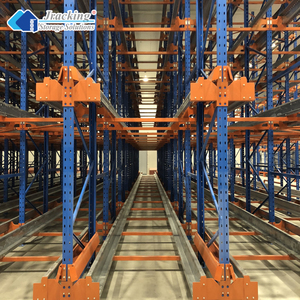
- Sub-Zero (-30°C) Operational Grade
- High-Density Deep Lane Pallet Shuttle
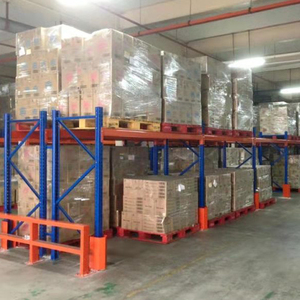
- 1300KG - 1400KG Rated Beam Levels
- Double Locking Structural Safety Pins
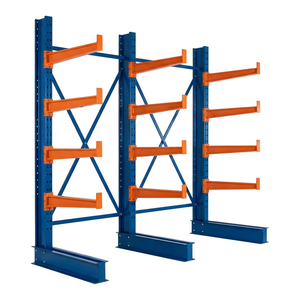
- Unobstructed Linear Storage Access
- For Structural Timber, Pipes & Extrusions
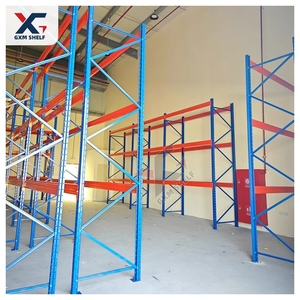
- 50%+ Floor Footprint Space Recovery
- Integrated Floor Guide Rail Compatible
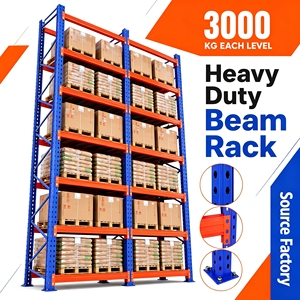
- Certified 3000kg Per Pair of Beams
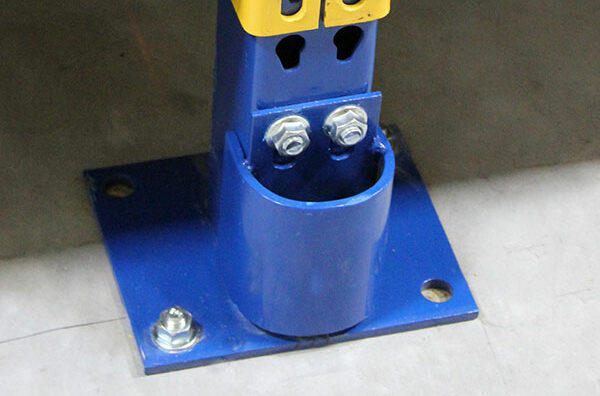
- Thick Profile Heavy Baseplates
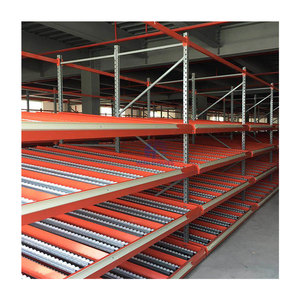
- Internal Centrifugal Speed Controllers
- Split-Case Fast Picking Configuration
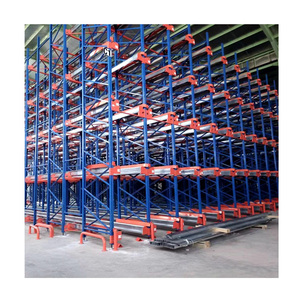
- High-Speed Pallet Automation Transfer
- WMS/WCS Wireless Control Architecture
Material Metallurgy, Seismic Engineering & CE Compliance Specifications
Modern warehouse logistics require structural shelving systems engineered to endure dynamic seismic forces, mechanical forklift impacts, and heavy sustained point loading. When procuring from certified manufacturers, the mechanical properties of cold-formed sheet metal versus hot-rolled structural shapes dictate operational safety and lifecycle return on investment (ROI).
As an OEM/ODM manufacturing facility, we utilize premium certified Q235B cold-rolled steel coils with a nominal yield strength of 235 MPa and ultimate tensile strength up to 510 MPa. For specialized projects demanding cold-room ductility or multi-tier mezzanine load transfers, certified Q355B (equivalent to European S355JR) is deployed. The cold-roll forming process incorporates multiple cold working passes that naturally work-harden stress corners, augmenting column stability and torsional stiffness without adding unnecessary dead weight to the warehouse slab foundation.
| Storage System Architecture | Structural Composition | Max Deflection Limit | Primary Certification | Seismic & Impact Tolerance | Warehouse Velocity Fit |
|---|---|---|---|---|---|
| Selective Pallet Racking | Roll-formed Q235B Omega Upright (55/75 Pitch) | L / 200 of beam span | CE / EN 15512 | Moderate (Requires Base Deflectors) | 100% Pallet Accessibility / Mixed SKUs |
| Carton / Pallet Flow | Gravity Track Beds & Centrifugal Rollers | L / 300 across sub-frame | ISO 9001:2015 | Reinforced Tie-Back Geometry | High-Throughput FIFO / Date Coded Goods |
| Heavy Duty Cantilever | Hot-Rolled H-Beam Columns & Pinned Arms | L / 180 at free arm tip | CE / EN 1090-1 | High Moment-Resistant Anchor Flange | Unpackaged Long Goods / Steel & Timber |
| Radio Shuttle Automation | Precision-formed Guide Channels & Uprights | L / 400 for sensor alignment | CE / Machinery Dir. | Multi-Directional Diagonal Cross Bracing | Ultra-Dense LIFO/FIFO / Cold Storage |
| Very Narrow Aisle (VNA) | High-Bay Uprights with Profile Guide Rails | L / 350 for mast clearance | CE / ANSI MH16.1 | Engineered Top-Tie Bridge Beams | Maximum Vertical Cube Utilization (Up to 15m) |
Product Procurement Trends Reshaping Industrial Warehousing
Procurement directors and supply chain engineers are navigating rising land acquisition costs, automated warehouse retrofits, and carbon neutrality goals. Below are the definitive procurement priorities dictating commercial purchases for 2025 and beyond.
Direct-From-Manufacturer Customization
Global supply chain operators are bypassing regional intermediaries to contract directly with tier-1 factories capable of custom punching patterns (50mm, 75mm, teardrop), automated electrostatic powder coating lines, and integrated CAD/BIM project modeling.
Turnkey Cold-Chain Readiness
With global cold chain volume expanding, procurement is shifting toward steel formulations that prevent low-temperature cold embrittlement. Facilities demand specialized galvanized upright coatings and certified sub-zero lithium radio shuttles.
Floor-Space Cube Density Optimization
Standard selective racking is increasingly complemented or replaced by high-density deep-lane systems. Buyers specify hybrid pick-modules integrating Carton Flow on lower picking tiers and heavy pallet bulk reserves on upper levels.
Full CE & Traceability Compliance
European and American regulatory bodies now scrutinize structural steel provenance. Global project tenders mandate mill test certificates (MTC) conforming to EN 10204 3.1, documented welding procedures (WPS), and audited factory production control (FPC).
Modularity for AS/RS Automation Interfaces
Buyers now future-proof conventional racking by requiring tight manufacturing tolerances (±1.0mm) to allow seamless downstream conversion to automated automated guided vehicles (AGV) or high-bay crane storage and retrieval machines.
Impact Protection & Risk Mitigation
Rather than treating structural protection as an afterthought, industrial procurement frameworks now bundle heavy-duty wrap-around column protectors, aisle end crash barriers, and engineered floor anchor systems into the base RFP.
Evolutionary Technological Advances in Steel Storage Racking
The manufacturing and structural design of heavy duty steel shelving is evolving from passive static steel bars to high-precision, high-stress engineering assets. Three major evolutionary trajectories characterize the modern heavy racking manufacturing environment:
Finite Element Analysis (FEA) Modeling
Modern upright column geometries (Omega profiles with up to 12 cold-bent stiffening ribs) are iteratively refined using advanced 3D FEA stress simulations. This ensures optimum load-to-weight ratios and dynamic dampening under localized seismic wave propagation.
Automated Continuous Roll-Forming
State-of-the-art CNC roll-forming lines feature integrated flying punch presses that maintain sub-millimeter pitch accuracy over 12-meter upright lengths, eliminating cumulative hole drift and ensuring rapid on-site connector beam engagement.
Eco-Friendly Nanotech Pre-Treatment
Traditional zinc phosphate pre-treatment baths are being replaced by automated zirconium-based nanotech immersion systems, followed by non-toxic thermosetting epoxy powder coatings that resist salt-spray corrosion for over 500 hours without environmental toxins.
Why Tier-1 Warehouses Partner With Our Manufacturing Facility
Combining nearly 70 years of structural engineering heritage, multi-million-dollar automated machinery investments, and international certification oversight to support enterprise storage projects.
In-House Structural Engineering
Our dedicated structural calculation teams evaluate local seismic parameters, slab concrete thickness, and building code requirements to produce stamped structural layout drawings.
Full CE & RMI Fabrication
Every beam, upright, and footplate is manufactured in strict compliance with current ANSI MH16.1 specifications and CE standards to ensure structural integrity and international site sign-off.
Automated Powder Coat Lines
Multi-million-dollar automated electrostatic powder coating lines with precise baking ovens guarantee uniform film thickness, scratch resistance, and color vibrancy under tough daily warehouse wear.
Dedicated Project Management
A single point of technical contact handles the complete project lifecycle: structural design, production scheduling, container load optimization, and international customs documentation.
Heavy Structural Roll-Forming & Impact Protection Systems
Warehouse safety relies on structural resilience. Our facilities produce heavy-duty bolt-on straddle column protectors, aisle end barriers, and heavy baseplates engineered to withstand forklift impacts without transmitting critical shear loads to the upright frames.
Frequently Asked Questions on Heavy Duty Steel Shelving Procurement
Authoritative technical answers to common queries raised by procurement officers, warehouse managers, and structural consultants.
What specific standards verify CE certification for steel storage racks?
CE marking on industrial steel shelving and pallet racking is governed under EN 15512 (Steel static storage systems - Adjustable pallet racking systems - Principles for structural design) and EN 15635 for operation and maintenance, alongside EN 1090-1 for structural steel components. A CE certificate ensures the factory implements audited Factory Production Control (FPC) and traceability for all raw materials.
Why is Q235B steel preferred over regular steel for pallet racking?
Q235B is a low-carbon structural steel with a fine balance of tensile strength, elongation (ductility), and excellent roll-forming properties. The "B" grade guarantees impact toughness testing at +20°C, which prevents brittle cracking during heavy cold-forming operations and provides high energy absorption under dynamic lift-truck impact or seismic shaking.
How do effective embedment depth and nominal embedment depth differ for anchor bolts?
Nominal embedment refers to the overall depth of the drilled hole, while effective embedment depth represents the true mechanical depth of the expansion cone or chemical adhesive that transfers tensile pull-out forces into the concrete slab. Calculating effective embedment is critical to prevent slab cone breakout failure under overturning moments caused by seismic forces or forklift collisions.
Can you mix beams and uprights from different racking manufacturers?
Mixing components from different manufacturers is strongly discouraged and will void standard structural certifications and insurance coverage. Even if the connector pins fit teardrop or slot holes, minor variations in steel thickness, connector clip metallurgy, and hook geometry alter moment resistance and can lead to unpredicted beam disengagement or premature collapse under full rated loads.
What minimum concrete slab thickness is required for heavy pallet racking?
For standard heavy-duty selective racks (1,000kg to 3,000kg per beam level), a reinforced concrete floor slab of at least 150mm to 200mm (6 to 8 inches) with a minimum compressive strength of 20 to 25 MPa (3,000 to 3,500 psi) is typically required. Very Narrow Aisle (VNA) and automated AS/RS systems require higher flatness tolerances (such as DIN 18202 or ASTM E1155 F-min ratings) and dedicated structural engineering reviews.
What project parameters are required to calculate a custom factory quotation?
To produce an engineered proposal and load capacity chart, our engineering office requires: 1) Architectural CAD floor layout showing building columns and clear ceiling height; 2) Pallet dimensions (Width x Depth x Height including cargo overhang); 3) Maximum gross pallet weight; 4) Lift-truck model and maximum reach height; 5) Building geographic location for seismic zoning analysis.
Connect Directly With Our Warehouse Storage Engineers
Request certified capacity calculations, CAD layout optimization, or our comprehensive factory specification catalog. Direct container export worldwide with guaranteed CE compliance.