High-Throughput Gravity Flow & Pallet Rack Solutions
Dynamic FIFO lanes, heavy-duty structural designs, and precision roller tracks built for industrial distribution and e-commerce picking.
Top 10 Heavy Duty Gravity Flow Racking Factories: Global Engineering Guide
Evaluating high-density dynamic storage, manufacturing precision, structural integrity, and lifecycle return on investment.
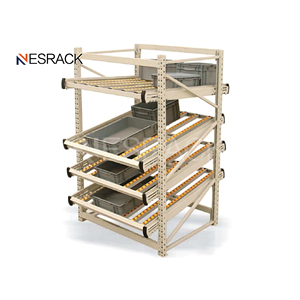
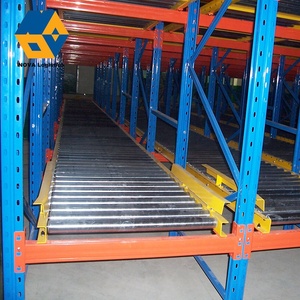
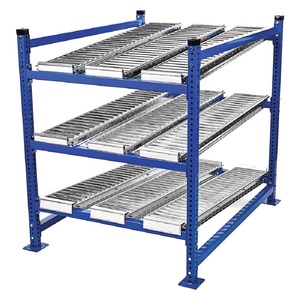
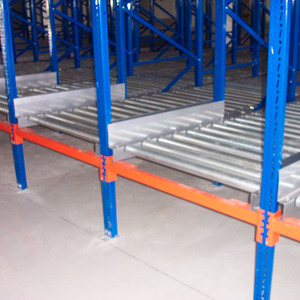
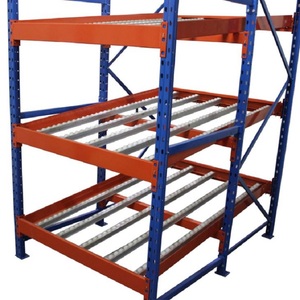
Modern distribution centers, cold-storage chains, and FMCG manufacturing facilities are facing unprecedented throughput demands. In the pursuit of maximizing spatial cubic volume while accelerating order fulfillment, heavy-duty gravity flow racking—commonly classified as Pallet Flow or Dynamic Flow Racking—has emerged as the definitive material handling standard. Unlike static selective shelving, a heavy-duty gravity flow rack functions as an engineered machine. It relies on slightly sloped roller beds, velocity controllers, separation mechanisms, and structural uprights to achieve automated first-in, first-out (FIFO) inventory cycling through pure gravitational potential.
Selecting an original equipment manufacturer (OEM) or top-tier factory for industrial-grade gravity flow systems is a high-stakes engineering endeavor. Load ratings frequently exceed 1,500 kg per pallet position across depths reaching 20 or more pallets. Structural deflection, braking roller failure, pallet degradation, or seismic displacement can severely cripple an entire distribution hub. This comprehensive whitepaper explores technical selection standards, manufacturing capabilities, emerging supply-chain trends, and rigorous procurement vetting practices.
Core Engineering Pillars of Heavy-Duty Gravity Systems
When tier-one manufacturing facilities engineer a heavy-duty gravity flow installation, mechanical parameters dictate structural and operational longevity. Global buyers must evaluate these three core engineering elements:
Structural Steel Integrity
Fabrication using premium structural steel channels (ASTM A36 or Q235B/Q355B structural sections) provides essential impact resistance against forklift abuse at loading faces, significantly surpassing thin roll-formed profiles.
Dynamic Speed Retarders
Self-energizing centrifugal or magnetic brake rollers regulate pallet velocity to a controlled 0.2 to 0.3 m/s, preventing line acceleration and catastrophic terminal impact regardless of lane depth or gross pallet mass.
Pallet Separation Separators
Engineered mechanical pallet separators isolate the lead discharge pallet from the cumulative back-pressure of trailing pallets, eliminating line squeeze and enabling seamless, unhindered forklift extraction.
Technical Selection Matrix: Comparing High-Density Storage Methodologies
Prior to commissioning a gravity flow manufacturing run, system planners must cross-examine facility throughput patterns, SKU velocities, and initial capital outlays against alternative high-density formats:
| System Architecture | Stock Rotation | Space Utilization | Pick Accessibility | MHE Travel Distance |
|---|---|---|---|---|
| Heavy Duty Gravity Flow | Strict FIFO | Exceptional (Up to 85%) | Dedicated pick & replenishment faces | Minimized (Decoupled aisles) |
| Push-Back Racking | LIFO | High (Up to 70%) | Single-aisle front access | Moderate |
| Drive-In / Drive-Thru | LIFO / Strict FIFO | High (Up to 75%) | Aisle-restricted bay entry | High (Forklift enters bay) |
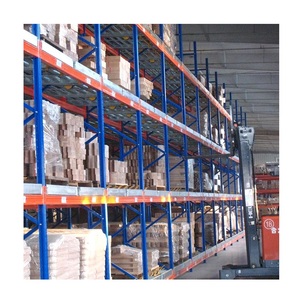
| Standard Selective Rack | Arbitrary | Moderate (35-45%) | 100% immediate selectivity | Maximum (Extensive travel) |
Factory Sourcing Criteria: Vetting the Top 10 Manufacturers
When selecting among top global manufacturing partners for heavy-duty gravity flow racks, leading industrial procurement directors enforce rigorous supplier qualification criteria:
1. Compliance with International Standards: Certified manufacturers fabricate storage equipment strictly aligned with Rack Manufacturers Institute (RMI) ANSI MH16.1 specifications or European EN 15512 codes. Verification includes stamped structural calculations, finite element analysis (FEA), and independent laboratory test data for cold-formed and hot-rolled shapes.
2. In-House Incline & Brake Testing Laboratories: Pallet variables (bottom-board configurations, plastic runner deflections, shrink-wrap overhang, and payload variances) drastically affect rolling friction. A top-tier gravity rack factory maintains testing ramps where client-specific pallets are verified under controlled gradients (typically 2.5% to 4%) before mass production.
3. Advanced Surface Treatments: For cold-chain environments, food distribution centers, or humid logistics climates, factories must offer certified hot-dip galvanizing (HDG) or electrostatic thermoset polyester powder coating with pre-treatment zinc-phosphate washings to resist mechanical abrasion and corrosion.
4. End-to-End Traceability and Structural Engineering: True factories provide direct factory-to-jobsite engineering accountability. This includes certified baseplate anchorage engineering, anchor bolt embedment validation based on concrete slab compressive strengths, and seismic zone structural detailing.
Future Procurement & Technology Trends in Gravity Storage
The material handling sector is experiencing dynamic technological convergence. Forward-looking procurement teams are preparing for key industry shifts over the coming decade:
Integration with Automated Guided Vehicles (AGVs) and AMRs: Gravity flow systems are transitioning from purely manual forklift loading to integrated autonomous systems. Factory designs now integrate chamfered entry guides, optical pallet sensor flags, and laser-guided discharge targets that allow reach trucks and AMRs to load and pick pallets with millimeter precision.
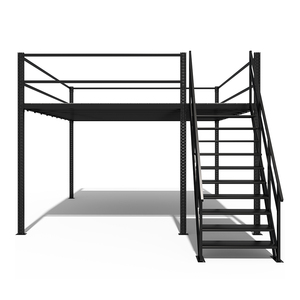
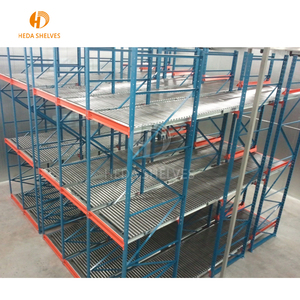
Modular Hybrid Pick-Modules: Distribution centers are combining pallet gravity flow lanes on ground tiers with multi-level carton flow and mezzanine flooring above. This vertical multi-tier configuration converts warehouse overhead into high-speed case-picking zones, slashing fulfillment labor by up to 50%.
Condition-Monitored Dynamic Components: Future gravity roller modules are integrating passive RFID tags and dynamic vibration monitoring. This allows warehouse maintenance managers to predictively replace worn brake rollers and bearing races before dynamic stoppage occurs in a lane.
Procurement FAQ: Heavy-Duty Gravity Flow Systems
What structural steel standards are required for heavy-duty gravity flow uprights?
How does pallet quality and type impact gravity flow operational safety?
What is the optimal floor slope and angle for pallet flow lanes?
Can damaged upright frames or roller tracks be repaired instead of fully replaced?
What parameters must buyers provide for a certified factory layout quote?
Partner with Engineered Storage Specialists
Benefit from nearly 70 years of structural engineering, in-house RMI-certified fabrication, automated finishing lines, and dedicated project management. Connect with our engineering group for custom capacity tables and facility layout reviews.