Engineering Precision for High-Tonnage Die & Mold Storage
Managing high-density injection molds, progressive stamping dies, and heavy tooling demands structural integrity far beyond standard selective pallet systems. This benchmark analyzes tier-one industrial rack manufacturers, detailing dynamic deflection limits, ANSI MH16.1 compliance, seismic anchorage, and total cost of ownership (TCO).
Heavy-Duty Tooling & Mold Racking Systems
Configured specifically to mitigate tooling stress, eliminate localized slab shearing, and optimize crane or forklift operational throughput.
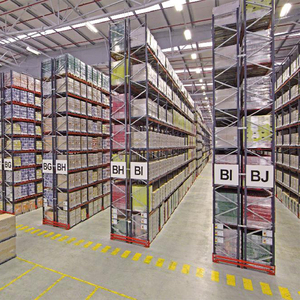
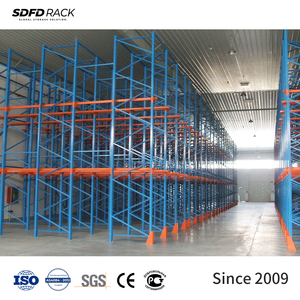
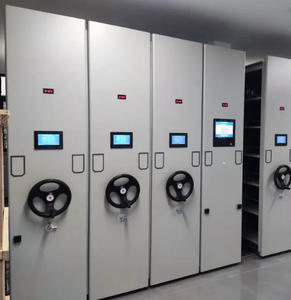
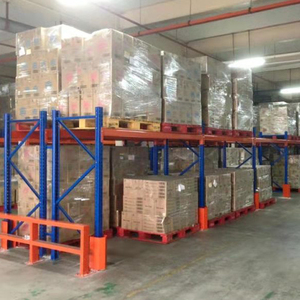
Top 10 Global Heavy-Duty Mold Racking Manufacturers & Engineering Factories
Detailed architectural capabilities, load compliance, proprietary profiles, and structural safety ratings for high-tonnage storage.
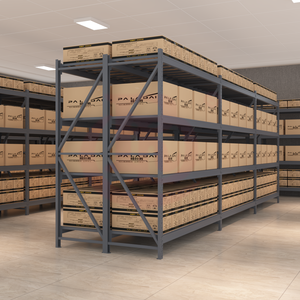
Core Strengths: Structural channel designs (C-channel), patented T-Bolt fastening, automated powder-coating lines, comprehensive RMI compliance, dedicated seismic analysis.
Capacity Rating: Up to 15,000 lbs (6,800 kg) per shelf level with zero plastic deformation.
Procurement Focus: Turnkey distribution and high-impact industrial applications.
Core Strengths: Pure hot-rolled structural steel channel manufacturing. High resilience against material handling vehicle impacts in high-throughput stamping facilities.
Capacity Rating: Engineered beyond 20,000 lbs per bay.
Procurement Focus: Extreme environments, severe impact resistance.
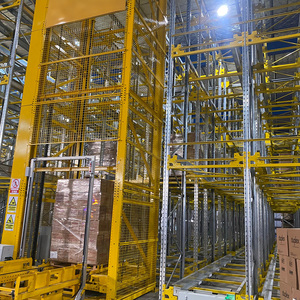
Core Strengths: Fully automated storage and retrieval systems (AS/RS) tailored for multi-ton injection molds, coupled with specialized WMS mold tracking integrations.
Capacity Rating: Integrated dynamic automated crane capacities up to 10 metric tons.
Procurement Focus: Fully automated, labor-constrained mega factories.
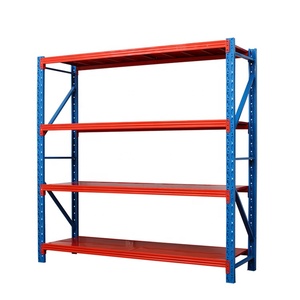
Core Strengths: Diverse roll-formed and structural configurations, precision software simulations for footprint consolidation, global manufacturing facilities.
Capacity Rating: 3,000 kg to 6,000 kg per level standard custom.
Procurement Focus: High-density roll-out drawer systems and heavy-duty selective bays.
Core Strengths: Patented cylindrical column configurations, seismic baseplate anchoring systems, resilient roll-formed engineering for heavy tool assemblies.
Capacity Rating: Heavy die loads up to 10,000 lbs per beam pair.
Procurement Focus: North American industrial manufacturing plants requiring fast field adjustment.
Core Strengths: FEM and EN standard leadership, specialized heavy pull-out mold drawer units, robust European tool room staging engineering.
Capacity Rating: 1,000 kg to 5,000 kg per extendable drawer level.
Procurement Focus: High-precision injection molding and cleanroom manufacturing.
Core Strengths: Heavy-gauge seamless structural tube construction (SK2000/SK3000), offering unmatched torsional strength over open-back uprights.
Capacity Rating: Up to 44,000 lbs frame load limits.
Procurement Focus: High-abuse stamping plants with continuous forklift interaction.
Core Strengths: Ultra-heavy AS/RS stacking cranes engineered specifically for 5T-15T foundry molds, automotive body stamping dies, and automated transfer carriages.
Capacity Rating: Exceeds 15 metric tons per dedicated automated cradle.
Procurement Focus: Tier 1 automotive body-in-white (BIW) stamping operations.
Core Strengths: Seamless pairing of specialized VNA heavy mold transport trucks with precision-engineered narrow-aisle racking systems.
Capacity Rating: 2,500 kg - 5,000 kg per tooling station.
Procurement Focus: Compact European tooling workshops with narrow-aisle footprints.
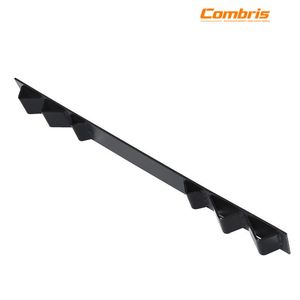
Core Strengths: High-yield steel profiling, robust European racking distribution, specialized drop-in tooling support bars for open-bottom molds.
Capacity Rating: High-tonnage modular configurations up to 4,500 kg per pair of beams.
Procurement Focus: Fast installation modular tooling bays across EMEA & APAC.
Engineering Whitepaper: Structural Physics of Heavy Mold Storage
Storing heavy molds differs fundamentally from storing unitized wooden pallets. Molds represent hyper-concentrated point loads on non-yielding steel surfaces. Below is the structural comparison critical for procurement and plant engineering teams prior to approving capital expenditures.
| Evaluation Parameter | Roll-Formed Racking | Structural Channel (C-Channel) | Slide-Out Tooling Drawer Racks |
|---|---|---|---|
| Steel Profile & Yield | Cold-rolled Q235B / 50ksi sheet steel | Hot-rolled C-channel ASTM A36 / 36ksi-50ksi | Precision cold-formed structural box profile |
| Impact Resistance | Moderate; vulnerable to lower column pinch | Exceptional; resilient to heavy lift truck hits | Protected within external framing cage |
| Permissible Deflection Ratio | L/180 standard (ANSI MH16.1) | L/240 or L/300 engineered limits | L/400 (strict tolerance to prevent drawer jamming) |
| Overhead Crane Integration | Limited; requires unobstructed vertical clearance | Applicable with cantilever or open-top framing | Optimal; 100% drawer extension for vertical crane pick |
| Maximum Load Per Tier | 1,000 kg – 2,500 kg | 2,500 kg – 8,000 kg+ | 1,000 kg – 4,000 kg (per pull-out drawer) |
| Seismic Shear Resistance | Dependent on baseplate anchor depth | Superior base moment & rotational rigidity | Rigid perimeter frame stabilizes dynamic loading |
Future Procurement Trends in Mold & Die Storage (2025–2030)
How the smart manufacturing revolution and changes in building safety codes are reshaping material handling investments.
1. Integration of RFID & IoT Tool Health Tracking
Modern procurement favors racking outfitted with digital shelf sensors that log mold check-in/out, operating temperature, and shot-count cycles, syncing directly with enterprise MES networks.
2. Shift to Roll-Out Drawers for Ergonomic Zero-Harm
Industrial hygiene and OSHA crane regulations are moving plants away from blind forklift tooling insertion toward 100% roll-out heavy-duty drawers accessible directly via overhead monorail hoists.
3. Stricter Seismic Anchor Embedment Codes
Updated IBC and regional building codes mandate larger baseplates and deeper effective anchor embedment depths to withstand dynamic shockwaves in heavy tooling storage zones.
4. Hybrid Roll-Formed & Structural Configurations
Procurement teams are cutting capex by deploying hybrid designs: rugged structural steel channels for bottom impact zones, paired with roll-formed beams at upper elevations.
5. Autonomous Mold Handling via Heavy AGVs
Racking manufacturers are engineering ultra-precise docking tolerances, positioning lasers, and unyielding safety barriers to interface safely with 10-ton AGV mold cart platforms.
6. Environmentally Resilient Thermoset Powder Lines
High-end tooling facilities now specify closed-loop powder-coating lines resistant to synthetic lubricants, hydraulic fluids, and corrosion caused by thermal-cycling cooling water leaks.
Why Partner With UNARCO Engineered Storage Systems
Combining seven decades of metallurgical engineering, proprietary automated paint lines, and zero-compromise safety validation.
Strict RMI & ANSI MH16.1 Certified
Every beam, connector, and upright section is certified to current Rack Manufacturers Institute specifications, eliminating catastrophic structural collapse risks.
Multi-Million Dollar Automated Powder Coat
Fully automated multi-stage washing and electrostatic powder lines ensure exceptional surface adhesion, chemical resistance, and protection against tooling oil abrasion.
In-House Seismic & Anchor Engineering
Licensed professional engineers run site-specific seismic finite element models, tailoring baseplate dimensions, anchor diameters, and embedment depths to local slab realities.
T-Bolt & Structural Channel Options
Choose between fast-installing patented T-bolt connections that eliminate safety clip pop-outs, or heavy hot-rolled structural steel C-channel configurations.
Dedicated Project Management
A single point of accountability handles your installation from initial building CAD layout and slab load calculations to complete onsite assembly supervision.
Rapid Field Repair System Interoperability
Engineered bolt-on upright repair kits allow damaged columns to be restored safely to rated capacity without unloading entire runs of heavy mold bays.
Frequently Asked Questions on Heavy-Duty Mold Racking
Direct answers from senior structural engineers to simplify your procurement decision.
Q1: How does point-loading differ between standard pallets and tooling molds?
A pallet disperses weight evenly across bottom deck boards, whereas a steel mold directs thousands of pounds through 4 small steel feet or locator pins. This requires heavy-gauge solid steel decking or heavy welded support bars to avoid localized beam flange tearing.
Q2: What concrete slab thickness is required for heavy die storage?
Standard 4-inch slabs are inadequate. Heavy mold racking bays loaded to 5,000+ kg typically require reinforced industrial slabs of 6 to 8 inches (minimum 3,000 to 4,000 PSI concrete) to prevent punching shear failure around anchor bolts.
Q3: When should our facility choose roll-out drawer racks over static beams?
Choose roll-out drawer units when dies are changed multiple times per day and an overhead crane or hoist is the primary lifting device. Pull-out drawers allow clear vertical lifting access without requiring forklifts to maneuver into tight structural bays.
Q4: How do seismic zone requirements impact mold racking procurement?
High seismic zones (such as Seismic Design Categories D, E, and F) mandate oversized baseplates, larger bolt diameters (e.g., 3/4" wedge anchors), heavier bracing channels, and thicker upright columns to counter horizontal ground acceleration forces.
Q5: What deflection ratio is considered safe for precision injection tooling?
While ANSI MH16.1 permits an L/180 beam deflection ratio for general warehousing, precision molds should be engineered to L/240 or L/300. Slide-out drawers must be held to L/400 to prevent rail misalignment or drawer binding under maximum load.
Q6: Can structural channel steel be combined with roll-formed racking?
Yes. Many plants deploy a cost-effective hybrid configuration: structural C-channel steel for high-impact lower uprights and critical lower mold staging levels, complemented by economical roll-formed steel at upper levels for lightweight components.
Ready to Engineer Your High-Density Tooling Storage Facility?
Submit your die dimensions, maximum tool weights, building CAD drawings, and seismic zip code. Our professional engineering team will provide a comprehensive load calculation, slab review, and factory-direct quote.