Featured Heavy-Duty Racking Lines for Export
Precision-fabricated roll-formed and hot-rolled structural systems engineered to support high-bay operations and seismic dynamic loads worldwide.
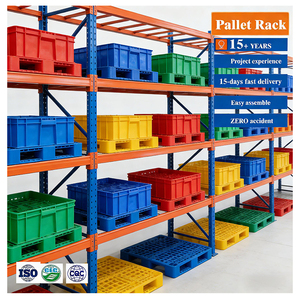
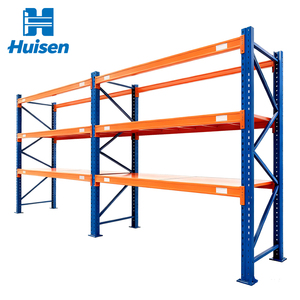
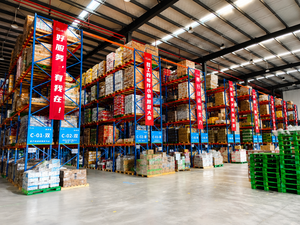
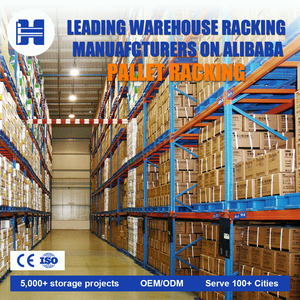
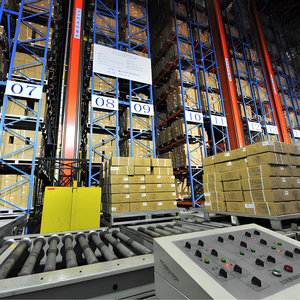
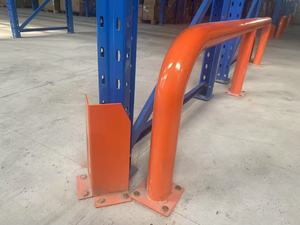
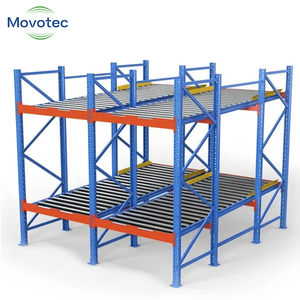
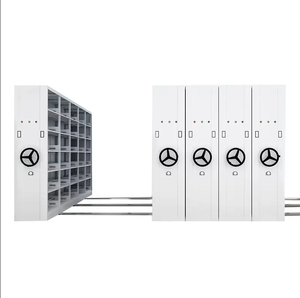
Engineering Mechanics of Heavy-Duty Double Deep Pallet Racking
Balancing high spatial volumetric efficiency with operational selectivity for global supply chain infrastructures.
In the modern logistics engineering landscape, Heavy Duty Double Deep Pallet Racking stands as an optimal intermediate system between standard 100% selective single-deep racks and high-density LIFO systems like drive-in or push-back racks. By positioning two pallet positions back-to-back along identical aisle profiles, this configuration eliminates redundant operating aisles, increasing warehouse cube utilization by 30% to 40%. As an international manufacturing exporter certified across stringent North American (RMI ANSI MH16.1), European (FEM 10.2.02 / EN 15512), and Australian (AS 4084) design codes, our engineering methodology guarantees maximum load-bearing security under high cyclic loading and intense seismic disturbances.
The systemic engineering challenge inherent to double-deep setups is the physical interaction between the extended-reach pantograph or telescopic fork trucks and the rear beam elevations. Because the cantilever arm moment induces dynamic torsion and deflections when depositing or retrieving pallets from the second depth (position 2), the structural configuration requires specific structural steel grade selections (e.g., Q355B / ASTM A572 Grade 50), reinforced step beam connectors, and precise beam deflection thresholds limited to L/200 or stricter under rated working limits.
Structural Integrity & Deflection
Fabricated using cold-rolled high-tensile steel or hot-rolled structural channels. Our roll-formed upright posts utilize multi-bend omega (Ω) profiles that resist axial buckling and torsional displacement under dual-tier dynamic forklift forces.
Seismic Baseplate & Anchor Engineering
Site-specific seismic evaluation using finite element analysis (FEA). We calculate effective vs. nominal anchor embedment depths in concrete slabs, configuring heavy-gauge seismically rated baseplates to prevent uplift shear failures.
Optimized Material Handling Interface
Seamless integration with specialized double-reach narrow aisle reach trucks (pantographs) and articulated high-lift masts. Includes custom guide rails, floor-mounted entry horns, and rear pallet stop beams for infallible positioning.
High-Density Storage System Benchmark
A technical comparison demonstrating why double deep pallet racking provides the lowest cost per pallet stored for medium SKU velocity profiles.
| Storage System Type | Floor Footprint Utilization | Pallet Selectivity | Inventory Rotation | Forklift Equipment Requirement | Relative CAPEX / Pallet |
|---|---|---|---|---|---|
| Standard Selective Rack | 40% – 45% | 100% (Instant) | FIFO / LIFO | Standard Counterbalance / Reach | Baseline (Low) |
| Heavy Duty Double Deep | 60% – 68% | 50% (Two-Pallet LIFO) | LIFO Batches | Deep-Reach Forklift / Pantograph | Moderate / Cost-Efficient |
| Drive-In / Drive-Through | 75% – 80% | 15% – 20% (Low) | Strict LIFO (Drive-In) | Standard Counterbalance Inside Lanes | High (Impact Risk) |
| Push-Back Rack System | 70% – 75% | One SKU per Lane | LIFO (Gravity Cart) | Standard Counterbalance / Reach | High (Mechanical Carts) |
| Automated AS/RS Crane Rack | 85% – 92% | 100% Automated | Programmed Dynamic | Automated Stacker Cranes (SRM) | Very High Capital |
Future Procurement & Technological Trends in Racking (2025–2030)
How global supply chain volatility and Industry 4.0 automation are reshaping procurement specifications for heavy-duty racking.
1. Automation-Ready Hybrid Systems
Global warehouse buyers are transitioning away from fixed single-purpose racks toward modular systems capable of converting into Automated Guided Vehicle (AGV) or Autonomous Mobile Robot (AMR) reachable rows. Double deep racking engineered today incorporates standardized clearances and target reflector mounts to prepare facilities for driverless automated reach trucks without replacing structural steel.
2. Environmental EPD & Green Steel Mandates
Procurement teams across North America and Europe now prioritize suppliers providing verified Environmental Product Declarations (EPD). Modern exporters utilize scrap-based electric arc furnace (EAF) steel with significantly reduced embodied carbon, coated with zero-VOC automated electrostatic powder systems cured via high-efficiency closed-loop infrared ovens.
3. Smart Sensing & Structural Health Monitoring
The integration of IoT deflection transducers, acoustic emission impact sensors, and continuous tilt monitoring along critical bottom-tier upright columns. These telemetry modules provide real-time alerts upon impact from material handling equipment, shifting warehouse safety from annual visual inspections to proactive continuous condition assessment.
Why International Tier-1 Buyers Partner With Us
Combining nearly 70 years of structural engineering heritage with global logistics delivery accountability.
Turnkey In-House Engineering
From initial DWG/BIM site layout drafting to complete seismic load modeling, our dedicated structural engineering department designs every racking project based on soil structural data, concrete compressive strength, and project-specific forklift parameters.
Multi-Million Dollar Automated Finishing
Our plants house continuous multi-stage automated pre-treatment and electrostatic powder-coating lines. Components undergo chemical degreasing, iron phosphating, and deionized rinsing prior to high-durability epoxy-polyester powder baking, resisting saltwater corrosion and warehouse abrasion.
Precision Export Packaging & Global Shipping
Extensive international freight experience ensuring zero damage upon arrival. Beams and uprights are bundled with heavy-duty timber dunnage, protective corner angles, water-resistant stretch films, and optimized container nesting to maximize cube utilization and reduce sea freight costs.
Frequently Asked Questions by Global Racking Buyers
Essential technical and logistical answers for project planners, procurement directors, and civil consultants.