Featured Industrial Heavy Duty Racking Portfolios
Precision-engineered selective, wide-aisle, and high-density racking configurations fabricated in compliance with global seismic design criteria, severe duty cycles, and strict ISO/FEM/RMI tolerances.
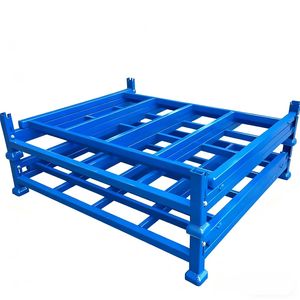
Mracking Warehouse Storage Stacking Racks Foldable Metal Demountable Pallet Portable Shelves
Heavy-duty demountable post design offering flexible wide aisle positioning, high dynamic load containment, and rapid nestability during seasonal inventory fluctuations.
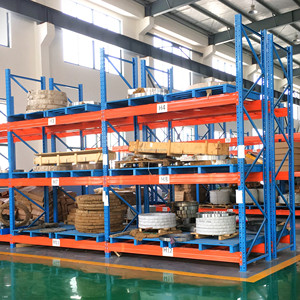
OEM Factory Wholesale Industrial Racks Customized Pallet Racking System Heavy Duty Steel
Custom engineered wide aisle beam profiles featuring automatic engagement safety locks, multi-tier adjustability, and custom steel grades matching demanding point-load parameters.
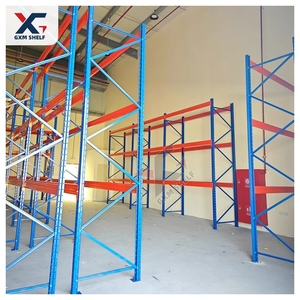
GXM Pallet Shelving Warehouse Storage Metal Racks Heavy Duty System Selective Rack
High-rigidity upright column framework designed for counterbalanced reach truck aisles or guided narrow aisle conversion, maintaining zero deflection under peak pallet capacities.
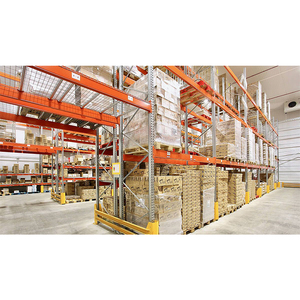
Very Narrow Aisle Storage System Reach Truck Solution Space Saving VNA Rack
Precision vertical tolerance racking engineered to bridge standard counterbalanced wide aisle storage into compact footprint distribution with guided mast floor anchorages.
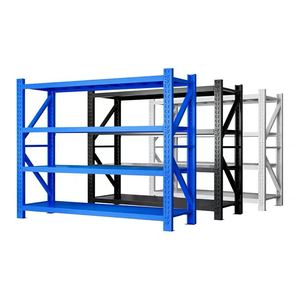
Car System Semi Automatic 4 Ways Remote Control Radio Shuttle Racking
Dynamic deep-lane pallet runners served by wide loading bays, maximizing storage volume while eliminating forklift transit into the rack interior to safeguard structural uprights.
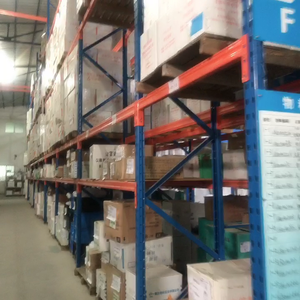
Complete Warehouse Racking System Design Manufacturing Installation
End-to-end turnkey facility implementations encompassing slab load evaluation, structural moment connection calculations, seismic certification, and rapid on-site commissioning.
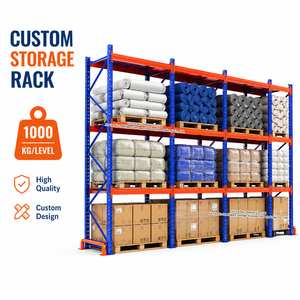
1000KG Heavy Duty Pallet Rack Adjustable Storage System Factory Direct
Optimized 1000kg-per-pallet level configuration with multi-point cold-rolled beam hooks, standard teardrop interchangeability, and heavy structural footings for rapid bay reconfiguration.
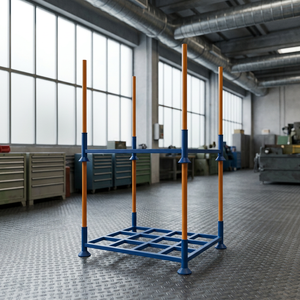
High-load Steel Storage Racks Anti-Rust Reinforced Industrial Structure
Continuous powder-coated heavy-gauge steel uprights paired with anti-rust cathodic pretreatments, structural C-channel bracing, and impact-resistant outer frame protectors.
Nearly 70 Years of Engineered Pallet Rack Manufacturing Excellence
Setting the international benchmark for structural safety, dimensional consistency, and material traceability across enterprise distribution hubs and Fortune 500 supply chains.
Rigorous Structural Engineering and High-Yield Steel Fabrication
For nearly seven decades, UNARCO RACKING and our certified manufacturing facilities have driven innovation in structural and roll-formed industrial storage systems. Unlike brokers or generic metal stamping shops, every wide aisle pallet rack installation begins in our engineering department. We design complete systems around specific bay load capacities, pallet overhang parameters, concrete floor slab tolerances, and local building code editions.
Fabricated from prime, certified high-strength structural steel coils and hot-rolled structural channels, our heavy-duty wide aisle storage solutions are built to withstand heavy daily forklift impacts while strictly adhering to the Rack Manufacturers Institute (RMI) ANSI MH16.1 specifications. This compliance guarantees calculated moment resistance, beam connection integrity, and torsional stiffness across multi-tier distributions.
"Structural safety in high-density storage is never an accident. It is the direct consequence of rigorous finite element analysis, certified domestic steel chemistries, and automated production QA/QC."
From automated multi-million dollar powder-coat paint lines providing uniform anti-corrosion barrier protection to specialized in-house seismic modeling teams, we deliver storage infrastructure that maximizes vertical warehouse cubes without compromising operational durability.
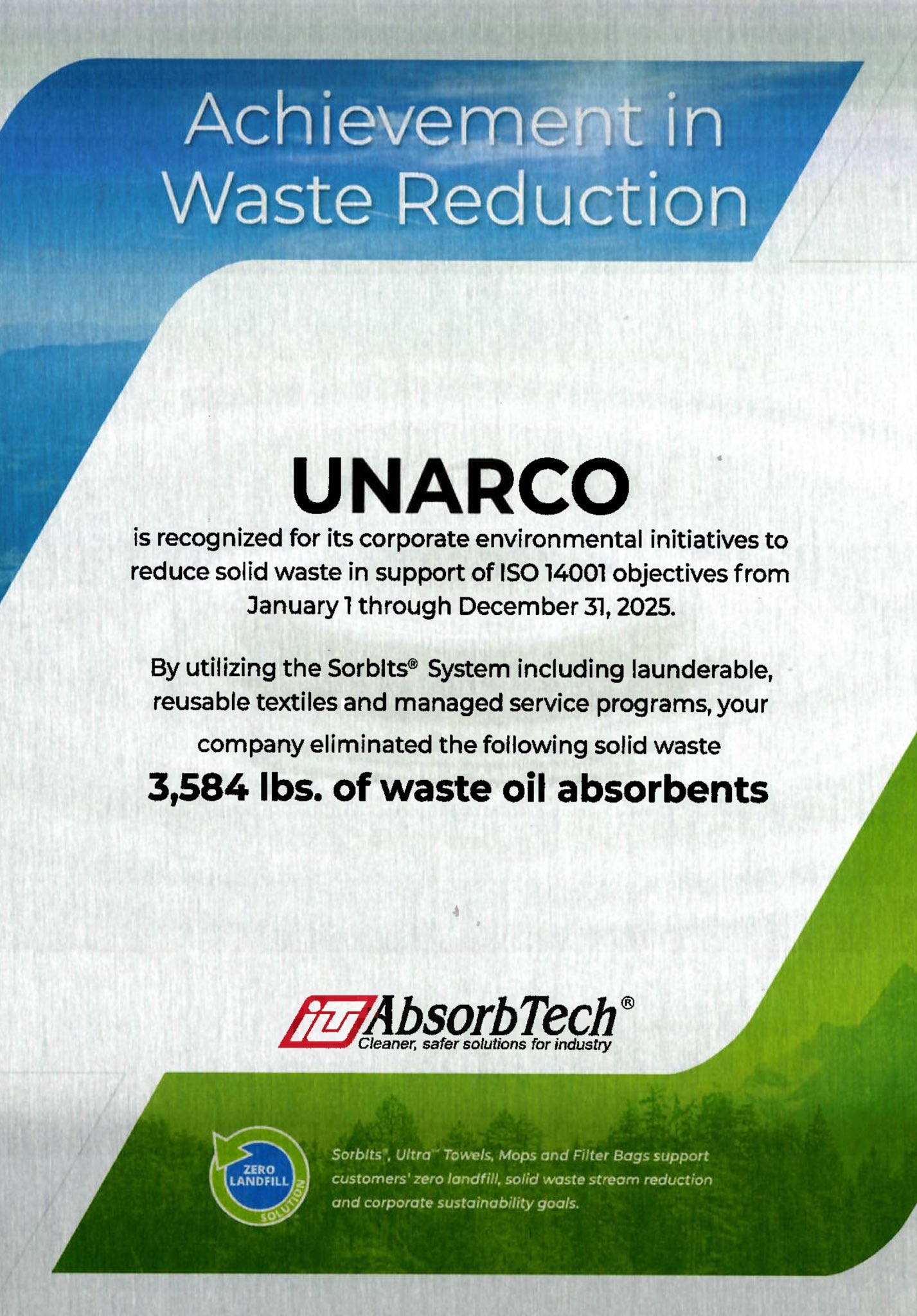
Wide Aisle (Selective) Racking: Mechanical Principles & Design Criteria
Why Wide Aisle layout remains the undisputed global workhorse for high-SKU inventory velocity, zero handling bottlenecks, and versatile lift truck access.
Wide Aisle Pallet Racking—commonly referred to in modern logistics engineering as Standard Selective Racking—is configured with operational operating aisles typically spanning between 3.2 meters and 4.2 meters (10.5 to 13.8 feet). This spatial profile permits unrestricted operation by standard counterbalance forklifts, reach trucks, and articulated trucks without requiring specialized wire guidance systems or dedicated rail embedments. As a direct result, every pallet location offers 100% immediate selectivity, making it the premier architecture for distribution centers managing high SKU variety and high order turnover velocities.
When engineering an industrial-grade wide aisle pallet racking system, structural designers evaluate multiple interrelated mechanical factors to eliminate risk of progressive collapse, localized buckling, or beam detachment under dynamic seismic and operational shock stresses:
Upright Frame Geometries
Utilizing continuously rolled open-back or closed structural tube column sections with engineered cold-formed ribs. Evaluated under AISI S100 standards for torsional flexural buckling and perforations that sustain concentrated axial loads without localized failure.
Moment End-Plate Connections
Beams feature high-yield connector plates utilizing tapered teardrop studs or hot-rolled structural hex bolts with automatic safety lock pins capable of resisting upward dynamic dislodgement forces exceeding 1,000 lbs (4.45 kN) per RMI test standards.
Baseplate & Anchor Embedment
Heavy seismic baseplates transfer combined axial gravity and overturning lateral moments into the concrete slab. Anchor bolt diameter and effective embedment depth are matched to concrete compressive strength ($f'_c \ge 3,000\text{ psi}$) and cracked-slab criteria.
Engineering Specification Matrix: Roll-Formed vs. Structural C-Channel Steel
Selecting between cold roll-formed steel and hot-rolled structural channel racking is one of the most critical decisions in warehouse procurement. Below is an engineering comparison matrix designed to align warehouse lifecycle expectations with material properties:
| Evaluation Parameter | Cold-Formed Roll-Formed Steel | Hot-Rolled Structural Channel | Engineering Selection Impact |
|---|---|---|---|
| Primary Steel Chemistry | High-yield coil (ASTM A1011 / Q235B - Q355B) | Structural shapes (ASTM A36 / A572 Grade 50) | Structural channel delivers superior ductility under low-cycle seismic fatigue. |
| Forklift Impact Resistance | Moderate. Susceptible to local flange crimping. | Extremely High. Solid structural corner radii. | Structural recommended for high-turnover grocery, freezer, and heavy beverage hubs. |
| Connection Mechanism | Keyhole / Teardrop slip-fit with automatic safety pins | High-tensile Grade 5 bolted flange connections | Roll-formed allows rapid beam re-spacing; structural provides high rotational joint stiffness. |
| Capital Cost Index | Baseline benchmark (Optimal $/pallet position) | +25% to +45% premium on raw steel weight | Roll-formed optimizes ROI for broad selective distribution; structural reduces lifecycle repairs. |
| Corrosion & Washdown | Electrostatic powder coat (Indoor dry ambient) | Heavy powder coat or Hot-Dip Galvanized (HDG) | Structural HDG channel is mandatory for corrosive chemical and sub-zero blast freezer depots. |
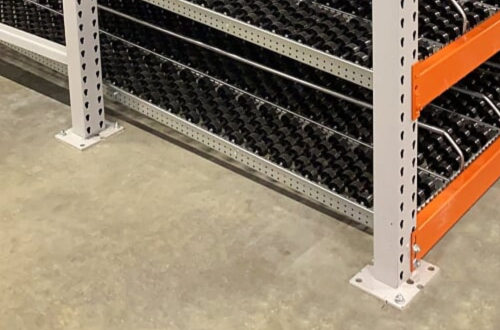
Critical Safety: Nominal vs. Effective Anchor Embedment
A widespread failure point identified during seismic and structural rack inspections is improper anchor bolt embedment. Per ACI 318 Chapter 17 anchor-to-concrete provisions, the structural engineer of record must distinguish between nominal embedment (the total depth of the drilled hole) and effective embedment depth ($h_{ef}$) (the depth at which the mechanical expansion clip or adhesive bond engages the concrete shear cone).
If warehouse slab thickness is insufficient or the bottom beam elevation is modified upward without engineering re-calculation, overturning tension loads can easily cause concrete breakout failure. Our in-house engineering team provides certified slab-loading diagrams and anchor embedment schedules tailored to site-specific building slabs, preventing costly downtime and structural compromises.
Future Procurement Trends for Industrial Racking (2025–2035)
Key market shifts transforming how Fortune 500 procurement executives and supply chain directors evaluate, specify, and procure heavy-duty steel rack infrastructure.
1. HSLA Lightweighting & Scope 3 Decarbonization
Global enterprise procurement is transitioning toward High-Strength Low-Alloy (HSLA) steels that offer 50–65 ksi yield strengths with thinner gauge profiles. This achieves up to a 15% reduction in total steel mass without reducing bay load capacity. Coupled with EAF (Electric Arc Furnace) production, procurement directors are lowering embodied carbon to hit Scope 3 sustainability targets.
2. Hybrid Automation & AMR Readiness
Warehouses are moving away from rigid, single-purpose automation. Facilities increasingly pair wide aisle selective racking with Autonomous Mobile Robots (AMRs) and automatic guided forklifts. Racking procurement now demands tight plumbness tolerances (1/1000 versus standard 1/500) and laser-scanned aisle pathways to accommodate both human-operated trucks and driverless AGV fleets.
3. Digital Twin Modeling & App Calculations
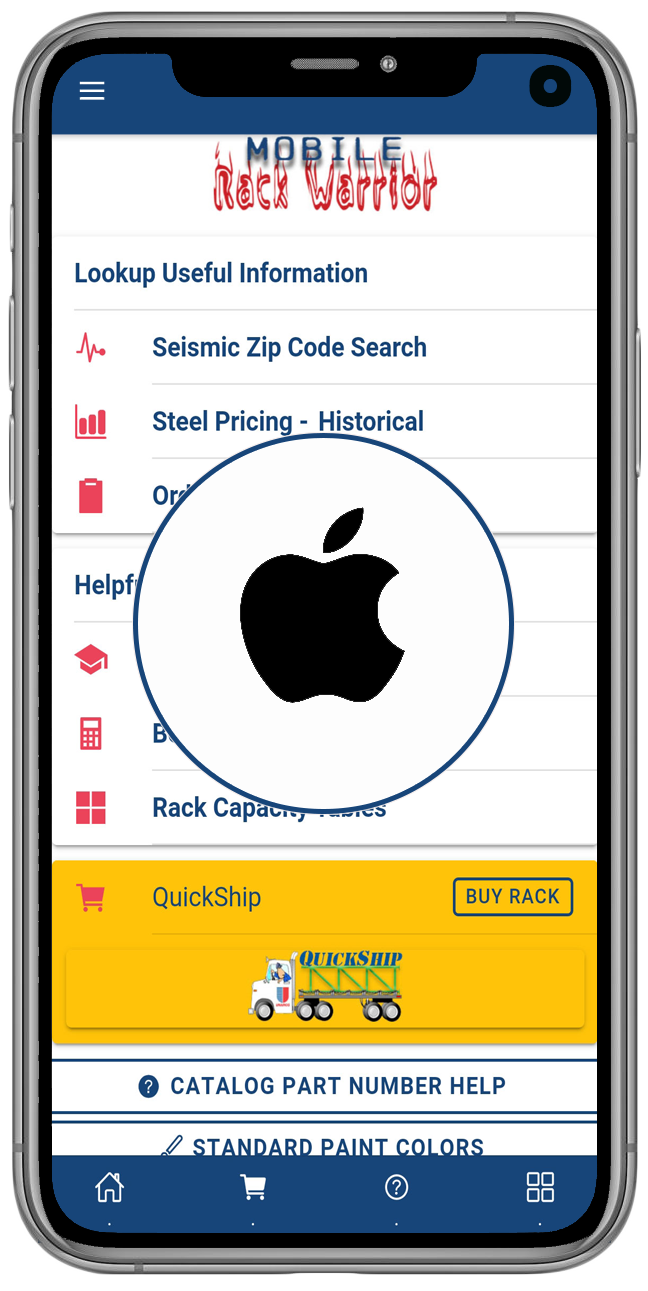
Enterprise buyers require integrated digital load calculators and building information models (BIM). Utilizing mobile tools like the Rack Warrior App, facility engineers can look up seismic data by zip code, evaluate beam deflection limits (L/180 or L/240), verify upright capacity across varying vertical beam spacings, and simulate structural adjustments in real time prior to physical retrofitting.
Evolutionary Trajectory: Upright Reinforcement, Protective Coatings, & Engineered Repair
Modern heavy-duty racking has evolved beyond standard steel channels into comprehensive impact-mitigation ecosystems designed to preserve building safety and minimize capital replacement cycles.
Impact Protection Engineering and Sacrificial Armor
Forklift impacts in high-velocity wide aisle facilities are inevitable. Traditional operations faced significant downtime and costs when a lower column leg suffered an impact, requiring entire bay unloading and full upright frame replacement.
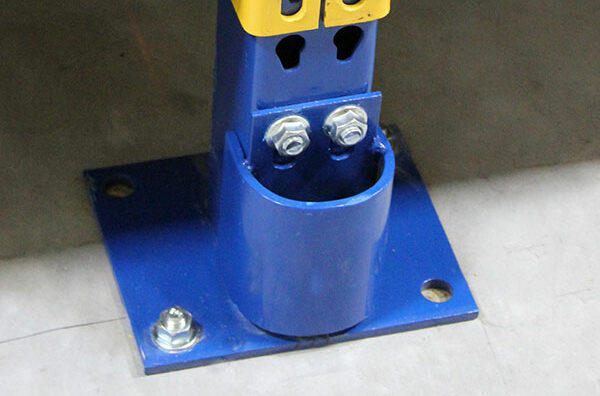
Modern engineering addresses this challenge through integrated Bolt-On Straddle Column Protectors, heavy structural bullnose aisle guards, and reinforced welded column inserts. By positioning heavy-gauge, hot-rolled steel deflector shields at lower impact zones (the bottom 12 to 24 inches), impact energy is redirected safely to the slab without crimping the primary load-bearing column.
When damage does occur, engineered bolt-on rack repair kits certified to RMI standards enable certified technicians to repair damaged uprights in place. This avoids the downtime and disruption of complete bay tear-downs while restoring rated engineering capacity.
Advanced Automated Powder-Coat Finishing Lines
A rack's operational longevity depends heavily on coating durability. Our facilities utilize multi-million dollar automated powder-coat lines featuring multi-stage pre-treatments, iron phosphate conversions, and high-heat polymer cross-linking. Unlike air-dried solvent paints that scratch easily and peel when scraped by wooden or plastic pallets, thermo-cured powder coating forms a dense, flexible polymer barrier resistant to chipping, hydraulic fluids, and humidity changes.
Critical Technical Questions Answered by Rack Structural Engineers
Direct answers addressing compliance, capacity calculation, engineering standards, and installation protocols for enterprise buyers.
What specific manufacturing standards must heavy-duty wide aisle pallet rack satisfy?
How does altering the elevation of the bottom beam affect the upright frame's load capacity?
Can you safely mix beams and uprights from different pallet rack manufacturers?
What warehouse slab specifications are necessary to support heavy-duty wide aisle racking?
How do updated International Building Code (IBC) editions impact seismic design for racking?
What data must be prepared prior to requesting a formal factory engineering quote?
On-Demand Calculations via the Mobile Rack Warrior Platform
In high-velocity warehousing, layout decisions must be backed by accurate structural data. Through our Rack Warrior application, available across iOS and Android systems, warehouse managers and distributor engineers can quickly access technical capacity tables directly in the field.
Key features include instant seismic lookup by project zip code, beam deflection limit verifications under varying loading profiles, upright capacity calculations matched to specific vertical beam spacings, step-by-step installation guides, and complete engineering glossaries. This integrated technical resource ensures your facility operates with code-certified confidence every day.
Ready to Engineer Your High-Yield Warehouse Storage Solution?
Partner directly with experienced pallet rack manufacturing engineers. From preliminary CAD layout optimization and seismic slab calculations to certified factory fabrication and on-site commissioning, our team delivers systems tailored to your throughput requirements.