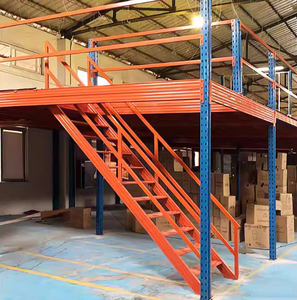
Engineered Heavy Capacity Line
High-Density Die, Mold & Tool Storage Systems
Direct OEM/ODM factory systems fabricated with high-yield Q235 and hot-rolled structural steel to eliminate beam deflection under severe point-load stresses.
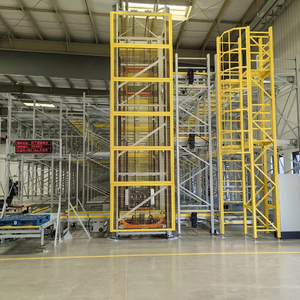
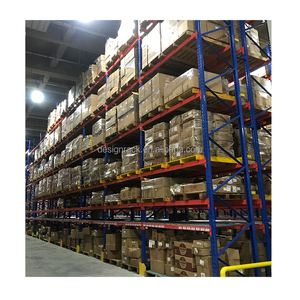
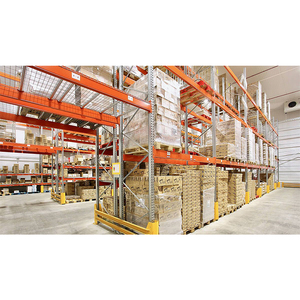
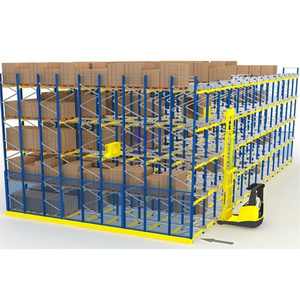
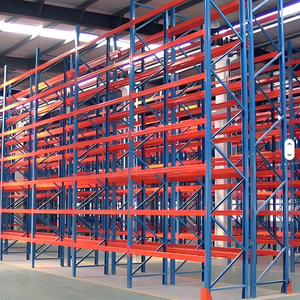
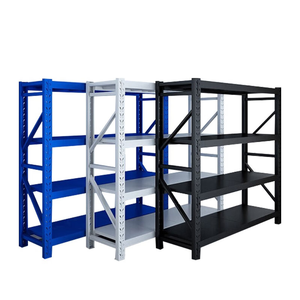
70+
Years of Pallet & Die Rack Engineering
100%
Fabricated to RMI ANSI MH16.1 Standards
50k+
Lbs Max Frame Capacity Available
CSA.S16
Canadian Building Code Seismic Alignment
Engineering Whitepaper
Structural Heavy Duty Die Rack Specification Benchmark
Tooling and stamping dies generate severe static point loads that deform commercial roll-formed racks. Review our structural steel parameters designed for heavy manufacturing.
| System Type | Material Specification | Typical Shelf Capacity | Impact Defense Rating | Primary Canadian Industrial Application |
|---|---|---|---|---|
| Structural Die & Mold Rack | ASTM A36 / Q235B Hot-Rolled Channel | 10,000 lbs – 30,000 lbs per bay | Extreme (Resists Forklift Impact) | Automotive tier-1 stamping, engine block molds (Windsor, Oshawa) |
| Cradle Roll-Out Die Rack | Heavy Gauge Solid Welded Steel Deck | 2,000 lbs – 8,000 lbs per slide | High (Overhead Crane Access) | Plastic injection tooling, progressive die staging (Montréal, GTA) |
| Very Narrow Aisle (VNA) Die Rack | Structural Uprights + Structural Beams | 6,000 lbs – 15,000 lbs per level | High (Turret Truck / Guide Wire) | Aerospace extrusion, metal fabrication hubs (Dorval, Longueuil) |
| Automated AS/RS Die Structure | Precision Tight-Tolerance Welded Columns | Up to 12,000 lbs unit load | Fully Automated / Isolated | Smart battery casting, EV structural stamping plants (St. Thomas, QC) |
Market Dynamics
Localized Applications Across Canadian Manufacturing Corridors
From the Highway 401 industrial automotive spine to Quebec's aerospace cluster and Western Canada’s heavy equipment manufacturing, die storage demands tailored regional compliance.
Southern Ontario Automotive Corridor
Plants across Windsor, Cambridge, and Oshawa require heavy structural die storage racks integrated with overhead crane loading. High re-tooling frequencies for EV casting platforms demand high-capacity, drop-in solid steel plate decking and bolted beam-to-column connections that withstand repetitive overhead hoist operations.
Quebec Aerospace & Precision Extrusion
Greater Montreal and Beauce metal formers handle high-value titanium and aluminum forming dies. Storage systems focus on high-density VNA configurations, protective polymer surface liners to prevent die marring, and stringent CSA S16 seismic engineering stamped by registered provincial engineers.
Western Canadian Heavy Fabrication & Energy
Facilities across Alberta and British Columbia support heavy pipe extrusion, oilfield valve casting, and mining equipment forging. Racks are fabricated from hot-rolled structural steel channels capable of supporting point loads exceeding 25,000 lbs per shelf level under variable industrial shop temperatures.
Industry Foresight
Trends Reshaping Die Storage in Canada
How automation, floor-space costs, and regulatory scrutiny are transforming warehouse floor architectures.
Soaring Industrial Real Estate Values
With industrial lease rates remaining elevated in Peel Region, Vancouver, and Montreal, tooling plants can no longer afford wide ground-level die floor footprints. Transitioning to 24-foot vertical structural die storage racks recaptures up to 75% of active plant floor space for revenue-generating stamping presses.
Zero-Downtime Quick Die Change (SMED)
Single-Minute Exchange of Die (SMED) initiatives require mold storage situated immediately adjacent to stamping presses. Modern Canadian facilities utilize customized heavy-duty roll-out shelf decks and motorized die transfer carts to shorten die retrieval times from 45 minutes down to under 4 minutes.
Stringent Pre-Start Health & Safety (PSR)
Ontario Ministry of Labour enforces strict Section 7 Occupational Health and Safety Act reviews for racking carrying high-mass objects. Uncertified commercial racks are red-tagged; factory-engineered structural systems with certified load capacity plaques and stamped engineering calculation packages ensure effortless compliance.
Manufacturer Credentials
Why Tier-1 Manufacturers Choose Our Heavy Duty Die Racking
Backed by nearly 70 years of material handling engineering innovation, multi-million-dollar automated powder coating lines, and full structural mill fabrication.
Structural Steel Integrity
Fabricated from prime hot-rolled C-channel profiles with heavy structural corner bracing, resisting heavy forklift impact and concentrated die point loads without metal fatigue.
RMI & CSA Engineering
Every bay is mathematically calculated to ANSI MH16.1 specifications and CSA S16 building codes. Professional Engineer (P.Eng.) review and stamped layouts provided for Canadian installations.
Automated Powder Coating
State-of-the-art automated paint lines provide a resilient, chemical-resistant electrostatic powder-coat finish that withstands extreme industrial cutting fluids and stamping lubricants.
Custom OEM/ODM Tooling Decks
Select from solid welded steel plate decks, heavy fork-entry bars, removable retainer bars, or open-top cradles tailored to your specific mold base dimensions.
Procurement Clarity
Frequently Asked Questions for Canadian Buyers
Technical guidance covering building permits, seismic considerations, floor load verifications, and cross-border delivery.
Q1: Do die racks installed in Ontario require a Pre-Start Health and Safety Review (PSR)?
Yes. Under Section 7 of Regulation 851 (Industrial Establishments) of the Ontario Occupational Health and Safety Act (OHSA), storage racking systems designed to hold heavy tooling, molds, or raw steel dies constitute a potential hazard and require a PSR signed by a licensed Ontario Professional Engineer (P.Eng.) before operation.
Q2: Why can’t standard commercial roll-formed pallet racking store industrial stamping dies?
Standard roll-formed racks are designed for uniformly distributed pallet loads (UDL). Tooling and stamping dies act as highly concentrated point loads that place extreme localized shear stress on thin-gauge step beams and wire decks, leading to beam twist, clip failure, and catastrophic collapse under dynamic crane or forklift drops.
Q3: How do Canadian seismic building codes (NBCC / CSA S16) affect die rack design?
The National Building Code of Canada (NBCC) assigns specific Spectral Response Accelerations across provinces (e.g., high seismic risk in coastal British Columbia and the Ottawa/St. Lawrence Valley vs. low in central prairies). Heavy die racks have a high center of mass; our structural engineering calculates enlarged footplates, structural bracing, and Hilti anchor embedments tailored to local seismic zones.
Q4: What floor slab thickness is required to support heavy-duty die racks?
Due to the immense concentrated loads transmitted through the upright base plates, typical heavy die rack installations require a minimum 6-inch to 8-inch reinforced concrete slab (3,000 to 4,000 PSI rating). Our engineering team evaluates your soil and slab conditions to size structural baseplates that prevent concrete punch-through.
Q5: Can these systems integrate overhead crane die loading?
Yes. We engineer top-tier roll-out die racks and shelf layouts featuring full-extension mechanical drawers, open tops, and cradle guides designed specifically for vertical loading via overhead bridge cranes, gantry cranes, and jib hoists.
Q6: How is direct factory delivery, customs clearance, and DDP shipping managed into Canada?
We provide full project freight management serving Canadian destinations. All shipments include proper CBSA documentation, HS code categorization, export crates, and coordination with local customs brokers for streamlined door-to-door delivery across Toronto, Montreal, Calgary, and Vancouver.
Consult with a Structural Die Rack Engineer
Need structural load calculations, custom die base CAD drawings, or CSA-compliant seismic anchorage engineering for your Canadian facility? Connect directly with our manufacturing engineering team.