Engineered Storage Portfolio
Featured Industrial Storage & Material Handling Equipment
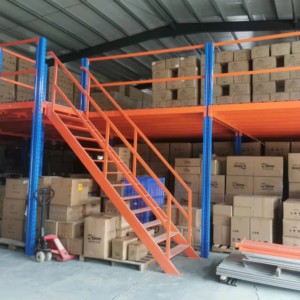
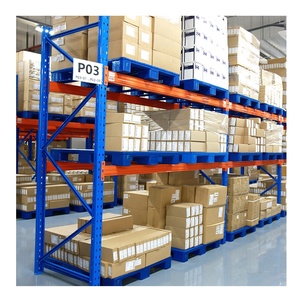
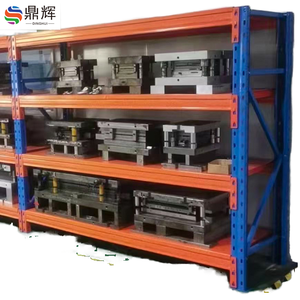
Discover our primary heavy-duty cold-rolled and structural racking configurations engineered for distribution centers, manufacturing plants, and ambient/freezer warehouses.
Technical Architecture
Push Back Rack Cart Systems: Mechanics, Physics & Kinematics
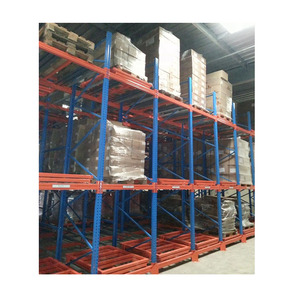
Push back racking represents the pinnacle of static high-density dynamic storage, offering individual aisle access to every vertical and horizontal lane without requiring lift trucks to drive into the rack structure.
Nested Cart Mechanics
Unlike roll-in drive-in designs, push back systems utilize a series of nested rolling carts that glide smoothly along inclined structural steel channel tracks. When loading, the forklift places the first pallet on the topmost cart. The second pallet gently pushes the first cart backward along low-resistance rail tracks to expose the sub-cart beneath. This nested telescoping assembly supports configurations from 2 to 6 pallets deep, preserving vertical clearance.
Gravity Flow Dynamics
Tracks are engineered with an integrated gravity slope (typically 3/8" to 1/2" per foot). When retrieving front-lane pallets, the rear pallets advance forward by controlled gravity descent. Heavy-duty zinc-plated sealed bearings, secondary anti-lift stops, and cart-capture catches prevent unseating during vigorous forklift handling, assuring balanced velocity, mitigating pallet jamming, and virtually eliminating impact stresses on the structural uprights.
Structural Integrity & Safety
Our push back systems are fabricated using heavy structural C-channel or high-tensile cold-rolled tubular profiles. Cart assemblies feature solid welded cross-members, heavy-duty flanged steel wheels, and safety drop-stops. By isolating lift trucks to the central access aisle, forklift-to-frame collision events are reduced by over 85% compared to drive-in systems, protecting human capital and infrastructure integrity.
| Storage System Format | Space Utilization | SKU Selectivity Profile | Impact Risk Vector | Fulfillment Speed Index | Ideal Application Scenario |
|---|---|---|---|---|---|
| Push Back Cart (2-6 Deep) | Up to 90% Cubic Density | High (1 Aisle Per SKU Lane) | Extremely Low (Aisle-Only Access) | Fast (LIFO Rotation) | Medium-velocity SKUs, Cold Stores, 3PLs |
| Drive-In Racking | Up to 85% Cubic Density | Low (Lane-Restricted) | High (Forklifts Enter Structure) | Slow to Moderate | Massive uniform batches, few SKUs |
| Selective Pallet Racking | 40% to 50% Floor Density | 100% Direct Selectivity | Moderate (Multiple Aisles) | Rapid Individual Picks | High SKU variety, small order volume |
| Pallet Flow (Gravity FIFO) | Up to 92% Cubic Density | Strict FIFO First-In-First-Out | Low (Dedicated Load/Unload Aisles) | High Continuous Throughput | Perishable food, pharmaceuticals, rapid dispatch |
Regional Engineering Relevance
Localized Application Scenarios in the Greater Boston Market
The industrial commercial real estate landscape across Eastern Massachusetts presents distinct geological, architectural, and financial hurdles that make push back cart systems indispensable.
Urban Mill Retrofitting (Route 128 / I-95 Corridors)
In close-in submarkets such as Waltham, Woburn, Norwood, and Braintree, warehousing often inhabits legacy brick buildings or low clear-height facilities (18’ to 24’ clear). Push back cart systems unlock 2-deep and 3-deep pallet arrays against perimeter structural masonry walls without needing multiple fork-truck turnaround clearances, transforming cramped facilities into high-density fulfillment depots.
Sub-Zero Cold Storage in Gloucester & New Bedford
Commercial refrigeration along the North Shore and South Coast seafood maritime processing terminals faces punishing electrical overhead costs. Cooling an empty aisle is cost-prohibitive. 4-deep and 5-deep push back systems condense blast freezer inventory, packing more frozen pallet positions into the refrigerated cube. Heavy-duty galvanized carts and low-temperature synthetic lubricants ensure fluid action at -20°F.
Life Sciences & Cleanroom Staging in Cambridge & Seaport
Supporting Boston’s world-leading biotechnology cluster, regional medical-device contract manufacturers require clean, debris-free staging. Our fully enclosed cart track geometry prevents debris accumulation, while sealed bearings eliminate hydraulic leaks. Push back configurations allow segregated holding lanes for pharmaceutical raw batches undergoing strict quality quarantine verification.
Strategic Market Analysis
Industrial Logistics Trends Across Eastern Massachusetts
Navigating industrial supply chain headwinds requires understanding land constraints, seismic building mandates, and sustainable material handling strategies.
1. Historic Land Scarcity & Skyrocketing Rents
Industrial triple-net (NNN) lease rates across I-495 and Route 128 have consistently hit record highs. Industrial zoning is scarce across the Commonwealth due to residential competition. Operators cannot easily build outward; they must condense inward. Push back systems reclaim up to 40% of wasted aisle square footage, deferring expensive capital facility expansions.
2. 780 CMR Massachusetts Seismic Compliance
The Massachusetts State Building Code (780 CMR, adopting IBC standards) enforces strict seismic design categories (SDC B through C). Many regional facilities rest on glacial till, clay, or marine silt foundation soils. Our engineers run computerized structural calculations analyzing slab thickness, baseplate shear, anchor bolt embedment depth, and horizontal drift forces to guarantee building inspector approval.
3. Omni-Channel & E-Commerce Micro-Hubs
Same-day delivery demands in downtown Boston, Cambridge, Somerville, and Quincy are driving the creation of urban last-mile micro-fulfillment hubs. Facilities utilize hybrid racking: push back cart lanes on the lower levels for pallet replenishment, with carton flow or selective rack above, streamlining pick-and-pack fulfillment.
Design Considerations
Engineering Calculations for Heavy-Duty Cart Systems
Specifying an engineered push back system requires deep analysis of dynamic loads, floor flatness, and pallet construction integrity.
Slab Capacity & Anchor Bolts
High-density push back racks concentrate point-load forces across small baseplate footprints. Our engineers verify effective vs. nominal anchor embedment according to ACI 318 Appendix D, ensuring slab integrity under dynamic loading cycles.
Pallet Deflection Limits
In push back systems, poor-grade or broken bottom boards can snag cart rails. We specify multi-wheel support carts, custom welded cart decks, or wire mesh backing to support GMA, plastic, and Euro-pallets safely.
NFPA 13 Fire Sprinkler Design
Storage depth beyond 20 feet triggers distinct flue space considerations under NFPA 13 guidelines. Our engineering layout incorporates longitudinal and transverse flue retainers, aligning with ESFR ceiling sprinkler coverage.
Cart Lift-Off Protection
During rapid forklift extraction, suction or improper fork tilting can lift carts off tracks. Our push back frames feature full-length structural cart interlocks and mechanical rear stops to prevent track derailment.
Enterprise Manufacturing Capabilities
Why Engineering Procurement Teams Partner With Us
Backed by nearly seven decades of structural engineering, heavy fabrication automation, and Fortune 500 warehouse partnerships.
Rigorous RMI ANSI MH16.1 Standards
Every structural component, roll-formed column, tubular beam, and push back cart cart-rail assembly is manufactured in strict compliance with current Rack Manufacturers Institute (RMI) specifications. Full structural trace certifications and load plaques accompany every installation.
Single-Source Project Engineering
From our initial digital 3D layout simulation and seismic evaluation through to professional project management and installation oversight, you work with a single dedicated team. We eliminate distributor markup and communication gaps for large-scale operations.
Multi-Million-Dollar Automated Paint Lines
Durability is vital in cold storage and high-throughput terminals. Our multi-stage phosphate wash and state-of-the-art automated electrostatic powder-coat finishing lines yield an ultra-durable, chip-resistant coat that withstands humidity, abrasions, and extreme thermal cycling.
Procurement Knowledge Base
Boston Market Push Back Racking FAQ
Common inquiries from New England logistics directors, warehouse architects, and material handling procurement officers.
How does push back racking compare to drive-in racking for cold storage in Massachusetts?
While drive-in racking provides high storage density, it requires forklift operators to drive directly into the racking structure. In cold storage facilities—common in New Bedford, Gloucester, and Boston Harbor—slow vehicle maneuvering inside frozen rack uprights frequently leads to upright column collisions, downtime, and pallet honeycombing. Push back racking allows all loading and unloading from a single aisle face, cutting truck travel time by up to 50% and eliminating rack frame collisions.
Can our existing warehouse concrete slab handle the point loads of a 5-deep push back rack?
Push back rack systems transfer substantial concentrated point loads to the concrete foundation via upright frame baseplates. Most industrial facilities in the Greater Boston I-495 belt with a minimum 6-inch reinforced concrete slab (3,000 to 4,000 PSI) can accommodate 2 to 4-deep systems. For 5-deep and 6-deep configurations, our licensed engineering team evaluates your specific soil boring data, rebar layout, and slab thickness, specifying oversized baseplates to distribute point-load stresses safely.
What seismic category requirements apply to warehouse racking installed in Boston?
Under the Massachusetts State Building Code (780 CMR) and the International Building Code (IBC), the Boston area is generally designated as Seismic Design Category B, with certain coastal and soft-soil locations falling under Category C. Storage racks are classified as building-like structures and must carry professional engineer (PE) stamped calculations. UNARCO RACKING engineers design heavy-duty column profiles, specialized heavy anchor bolts, and reinforced bracings tailored to regional spectral response accelerations.
Can push back cart tracks handle mixed pallet sizes and defective pallets?
Yes. Push back carts can be custom engineered with full welded sheet steel pans, wire decking tops, or multi-flanged channel tracks. This prevents odd-sized pallets, broken runner boards, or slip-sheeted loads from trapping wheels. The nested cart framework cradles the pallet base, preventing deflection and avoiding the roller-contact friction issues common to pallet flow systems.
What maintenance is required on push back cart wheel assemblies?
Our push back carts feature precision heavy-duty steel wheels fitted with permanently lubricated, hermetically sealed bearings. They require zero greasing during routine operations and are impervious to fine dust, chemical fumes, and freezing temperatures. Semi-annual safety maintenance involves clear visual inspections of track clearways, verification of rear cart safety stop pins, and torque inspection of structural anchor bolts.
How quickly can custom-engineered push back systems be delivered to the New England market?
Lead times depend on the system depth and structural fabrication requirements. Standard roll-formed and structural configurations typically ship in 8 to 12 weeks following approved architectural CAD sign-offs. Our factory project management team coordinates continuous point-to-point flatbed delivery straight to your job site across Massachusetts, New Hampshire, and Rhode Island.
Ready to Maximize Your Boston Facility's Cubic Capacity?
Consult with our licensed rack engineers for a comprehensive site review, CAD concept layout, and seismic capacity analysis tailored to your inventory profile.