Advanced Heavy-Duty Industrial Storage & Shuttle Solutions
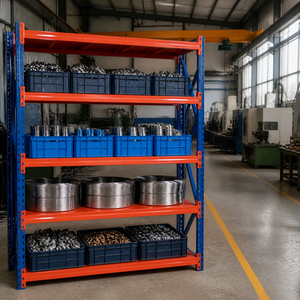
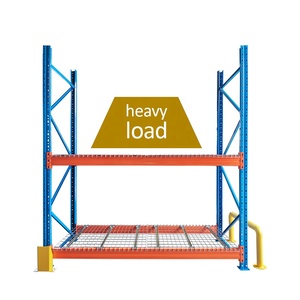
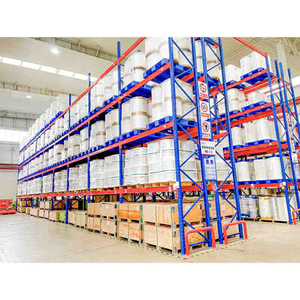
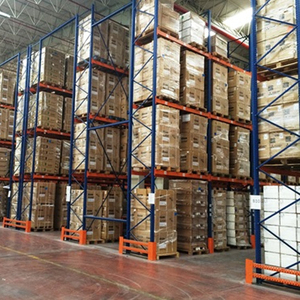
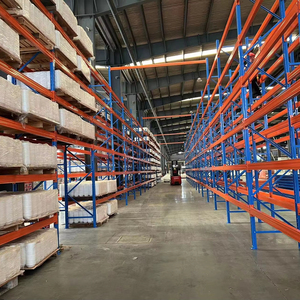
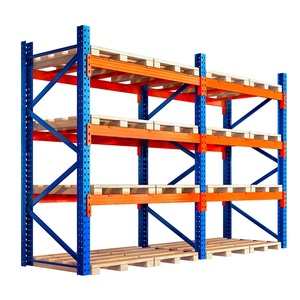
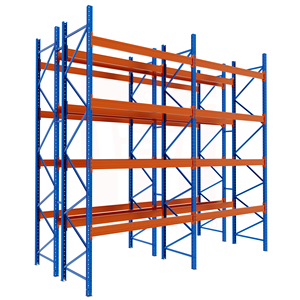
Precision-fabricated roll-formed and structural channel warehouse racks configured for automated material handling, seismic structural elasticity, and dense SKU capacity.
Engineering Racking for Greater Tokyo’s Unique Logistics Matrix
Mitigating land constraints, reclaiming clear heights along Tokyo Bay, and engineering seismic resilience under Japan’s strict Building Standard Law (BSL).
Tokyo Bay Reclaimed Land Seismic Damping
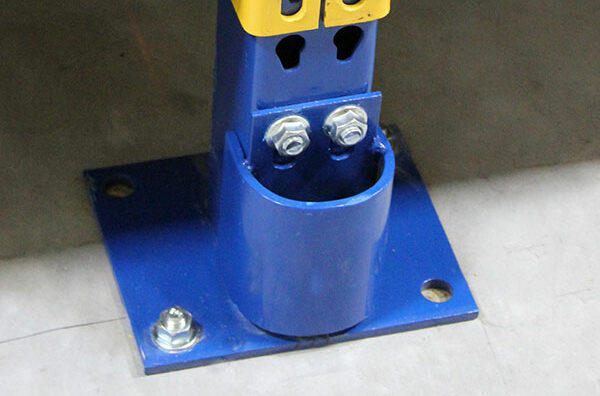
Logistics facilities in Koto, Shinagawa, and Kanagawa sit on reclaimed coastal soils where seismic liquefaction and long-period surface waves pose catastrophic collapse hazards. Our structural C-channel baseplates and heavy concrete expansion anchors absorb ductile deformation, dissipating kinetic energy during Grade 6+ tremors.
High-Bay Multilevel Ramp-Up Facilities
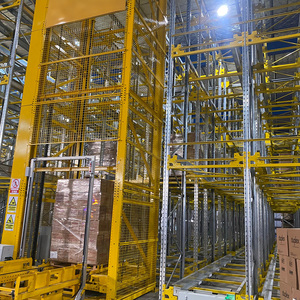
Tokyo’s high industrial real estate land premiums drive multi-story ramp-up distribution facilities (such as GLP Alfanza and Goodman Bay centers). We engineer Very Narrow Aisle (VNA) and 4-way AS/RS racks up to 30 meters high with tight deflection tolerances, maximizing vertical storage capacity without overstressing post-tensioned floor slabs.
Yokohama & Chiba Cold-Chain Storage
Cold storage facilities along the Kanto maritime ports demand corrosion-resistant finishes. Our heavy-duty automated powder-coatings and hot-dip galvanized structural profiles withstand sub-zero temperatures down to -30°C without steel embrittlement, stress micro-cracking, or zinc delamination.
| Structural System Attribute | Conventional Roll-Formed Racking | Our Tokyo-Spec Heavy Structural Racking | AS/RS 4-Way High-Density Shuttle |
|---|---|---|---|
| Steel Grade Standard | Commercial Sheet (SS400 equivalent) | Q355B / ASTM A572 Grade 50 Heavy Channel | Precision Ground Structural Alloy Profiles |
| Seismic Acceleration Load | Up to 0.25g ground acceleration | Engineered to ≥0.60g (BSL Level 2 Event) | Automated Dynamic Restraint Matrix (≥0.70g) |
| Column Impact Resistance | Moderate (Requires external post guards) | High: Hot-rolled C-channel solid uprights | Integrated Heavy Box-Column Construction |
| Height Utilization Potential | Limited to 8m - 11m before buckling | Engineered frame towers up to 18m+ | Ultra-high bay tolerance: up to 30m+ |
| Finish Performance | Standard fluid electrostatic spray | Continuous oven powder-coat (80-120μm) | Anti-wear, low-friction robotic guide surfaces |
Strategic Trends Driving Tokyo Logistics Engineering (2025–2030)
Understanding the intersection of regulatory labor constraints, high automation adoption, and municipal safety governance.
The "2024 Problem" & Full Automation
Capped driver overtime laws in Japan accelerate the shift toward uncrewed logistics hubs. Warehouse racking must integrate optical sensor brackets, autonomous mobile robot (AMR) drop bays, and precision 4-way pallet shuttle rails that eliminate forklift travel times inside aisles.
Rigorous Tokyo Fire Department Compliance
Tokyo Metropolitan Fire Board mandates strict flue spaces, horizontal barrier meshes, and in-rack sprinkler pipe clearance. Our customized CAD engineering generates validated longitudinal and transverse spacing, ensuring fast permitting approvals for imported racking assemblies.
Circular Steel & Low-Carbon Infrastructure
Multinational 3PLs operating out of Haneda, Odaiba, and Kawasaki require environmental product declarations (EPD). Our production facilities utilize high-efficiency electric arc furnace (EAF) steel and zero-VOC closed-loop powder-coating lines, aligning with Japanese corporate ESG requirements.
Nearly 70 Years of Precision Engineering Heritage
We manufacture both structural hot-rolled and roll-formed racking lines, combining North American RMI design standards with Asian production flexibility. Rather than supplying generic modular components, our in-house engineering team calculates frame buckling moments, anchor shear points, and dynamic pallet loads specific to your warehouse slab conditions.
- Full fabrication to ANSI MH16.1 / RMI standard engineering specifications
- Certified structural engineers overseeing layout, seismic analysis, and load calculations
- Multi-million-dollar automated powder-coat lines for uniform film thickness and anti-corrosion
- Direct export logistics packing with clear labeling for Japanese customs clearance and rapid assembly
Frequently Asked Questions for Tokyo Warehouses
Direct answers to questions regarding seismic permitting, slab anchorage, pallet compatibility, and direct-from-factory logistics.
How do your rack structures comply with Japan’s Building Standard Law (BSL)?
Can your factory manufacture racking compatible with Japanese T11 pallets?
What is the difference between hot-rolled structural steel and roll-formed uprights for Tokyo warehouses?
What concrete slab thickness and anchor embedment are needed for seismic zones?
How are factory-direct overseas orders shipped, cleared, and installed in Tokyo?
Plan Your Warehouse Racking Infrastructure
Consult with our structural engineering team for load capacity calculations, CAD bay spacing layouts, and factory-direct manufacturing quotes customized for your Tokyo logistics facility.
Contact Us