High-Efficiency Warehouse Racking Solutions
Engineered for high selectivity, structural resilience, and seamless integration with Swiss counterbalanced lift trucks and reach truck operations.
The Role of Wide Aisle Pallet Racking in Modern Swiss Intralogistics
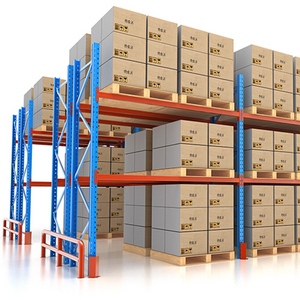
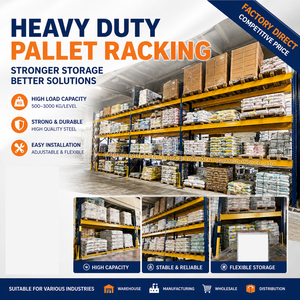
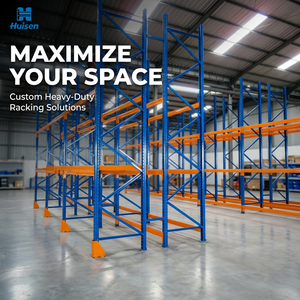
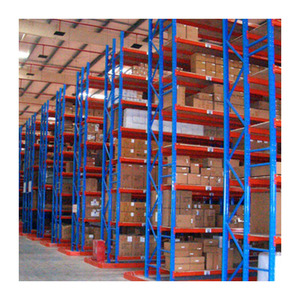
In Switzerland’s highly demanding logistics market, where real estate values in key distribution zones—such as the Espace Mittelland corridor (Bern, Solothurn, Olten), the Greater Zurich logistics ring, and the tri-border region of Basel—command prime industrial leases, racking configuration directly dictates commercial viability. Wide Aisle Pallet Racking (WAPR), commonly referred to across German-speaking cantons as Breitgang-Palettenregale and in Romandy as Rayonnage à palettes à allées larges, remains the architectural cornerstone of Swiss wholesale distribution, chemical storage, food processing, and third-party contract logistics (3PL).
Unlike narrow-aisle (VNA) configurations that mandate dedicated wire-guided or mechanical rail equipment, wide aisle pallet racking operates with operating aisle widths typically ranging between 3,000 mm and 3,800 mm. This layout dimension accommodates standard counterbalance electric forklifts, reach trucks (such as Linde, Jungheinrich, and Still fleets widely standardized across Swiss facilities), and pedestrian pallet stackers without requiring specialized guidance systems. It offers 100% immediate selectivity to every Euro-pallet (EPAL 1: 1200 × 800 mm) and industrial pallet (EPAL 3: 1200 × 1000 mm), ensuring frictionless FIFO (First-In, First-Out) operations, high-speed split-order picking, and complete flexibility for fluctuating seasonal inventory.
Localized Applications Across Switzerland's Industrial Sectors
Engineered storage architectures tailored to the specific environmental, hygienic, and physical demands of Swiss commercial hubs.
Life Sciences & Pharma (Basel & Valais)
Strict GDP (Good Distribution Practice) cleanroom and temperature-mapped staging. Beams feature non-shedding electrostatic epoxy-polyester coatings, and wire decking or galvanized shelf panels prevent particulate accumulation beneath pharmaceutical batch lots.
Precision Engineering (Jura Arc & St. Gallen)
Serving the Swiss watchmaking, med-tech, and micro-machining sectors. Racks are engineered for heavy point loads supporting die-sets, metal extrusions, and CNC fixture bins, paired with heavy-duty drop-in structural steel shelf inserts.
Cold Chain Logistics (Central Mittelland)
Operated down to -30°C in frozen distribution centers across Olten, Härkingen, and Oensingen. Steel alloys are certified with high Charpy V-notch impact toughness (grades S355J2+N) to resist low-temperature embrittlement and catastrophic dynamic failure.
Retail Distribution (Zurich & Aargau)
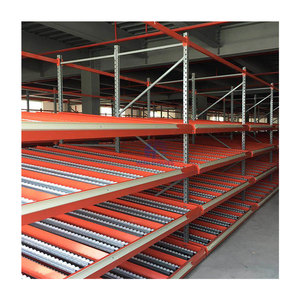
Omnichannel fulfillment centers for grocery chains and department suppliers. Lower tier levels utilize wide aisle pick faces integrated with gravity carton-flow tracks, while upper levels provide bulk buffer reserve pallets for replenishment.
Hazardous Goods Warehousing (Chemical Corridors)
Compliant with cantonal environmental safety mandates (VKF fire safety guidelines). Features integrated in-rack sprinkler feed pipe cutouts, welded mesh retainers, and containment spill-sump deck barriers below liquid chemical IBC containers.
Structural Engineering Data & Design Criteria
Our wide aisle racking frames and box beams are analyzed using Finite Element Method (FEM) software in strict accordance with EN 15512:2020 (Steel static storage systems – Adjustable pallet racking systems – Principles for structural design) and cross-checked against SIA 261 (Actions on structures) for Swiss seismic zones.
| Structural Parameter | Standard Specification (Roll-Formed) | Heavy Industrial Spec (Structural C-Channel) | Swiss Compliance Reference |
|---|---|---|---|
| Steel Grade | Q235B / S235JR Cold-rolled micro-alloyed | Q355B / S355JR Hot-rolled structural channel | EN 10025-2 / SIA 263 |
| Upright Width / Thickness | 80 mm to 120 mm / 1.8 mm to 2.5 mm | 100 mm to 160 mm / 3.0 mm to 5.0 mm | EN 15512:2020 Section 6 |
| Beam Profiles | Interlocking twin-C box beams (80–160 mm) | Structural I-beam / Hot-rolled channel | EN 15620 Tolerances Class 400 |
| Bay Clear Spans | 1,850 mm (2 pallets) / 2,700 mm (3 pallets) | 3,600 mm (4 pallets) or bespoke engineered | EPAL Standard (EN 13698-1) |
| Max Frame Capacity | Up to 18,000 kg (based on 1,500 mm beam pitch) | Up to 32,000 kg heavy seismic rating | SIA 261 / Eurocode 8 |
| Surface Finishing | Electrostatic thermosetting polyester powder | Hot-dip galvanized (EN ISO 1461) available | ISO 12944-2 C2/C3 durability |
Emerging Trends in the Swiss Warehousing Landscape
How automation readiness, strict seismic enforcement, and sustainability requirements are transforming pallet racking specification across Switzerland.
SIA 261 Seismic Micro-Zoning Enforcement
Cantons such as Valais, Basel-Stadt, and Graubünden have enacted rigorous seismic verifications for rack structures exceeding 3 meters in height. Structural engineers must evaluate soil classes (A through E), ground acceleration values, and ductility factors to determine oversized baseplates and anchored chemical bolts.
Hybridization with Autonomous Mobile Robots (AMRs)
Swiss facilities are increasingly pairing wide aisle selective racking with autonomous reach trucks and floor-level AMRs for nocturnal pallet transport. This operational model requires tighter beam deflection tolerances (1/250 down to 1/350) and high-visibility optical floor guide clearances.
SUVA Safety Audits & Annual SN EN 15635 Inspections
The Swiss National Accident Insurance Fund (SUVA) enforces stringent employee protection regulations. Industrial racking must be equipped with column corner guards, heavy-duty end-of-row tubular barriers, beam safety locking pins, and legible German/French/Italian load notification placards.
Green Building & Minergie-Eco Warehouse Standards
New logistics constructions across Switzerland frequently target Minergie-P or Minergie-Eco certifications. Racking manufacturers must supply Environmental Product Declarations (EPDs), certify low-carbon recycled steel content, and utilize heavy-metal-free thermosetting powder coatings.
Why Leading Swiss Engineering Contractors Partner with Us
Combining nearly 70 years of engineered racking mastery with state-of-the-art automated manufacturing lines for custom Swiss installations.
Dual Roll-Forming & Structural Manufacturing
We operate specialized high-tonnage cold roll-forming mills for continuous teardrop and slotted profiles alongside dedicated heavy structural channel fabrication workshops. This dual-capability ensures the ideal cost-to-weight balance for standard warehouse heights or rugged high-impact alpine logistics terminals.
Multi-Million Dollar Automated Powder Coating
Our automated pre-treatment and electrostatic powder-coat lines execute a 7-stage phosphate wash, deionized rinse, and computer-controlled baking cycle. This creates a resilient, scratch-resistant surface finish that withstands harsh cleaning agents, hydraulic oil spills, and condensation cycles in refrigerated zones.
Turnkey Swiss Seismic & Layout Engineering
Our in-house structural engineering division assists Swiss architects, logistics consultants, and project engineers with certified CAD layouts, 3D BIM integration, structural calculation dossiers, and anchor bolt verification tables specified for cantonal building authority approval.
End-to-End Swiss Customs & Jobsite Logistics
Exporting to Switzerland requires precision handling of non-EU customs documentation (e-dec, T1 transit procedures, and EUR.1 movement certificates). We coordinate containerized or curtain-sided mega-trailer shipments directly to jobsites in Basel, Zurich, Geneva, or Lugano with scheduled phased deliveries.
Frequently Asked Questions by Swiss Warehouse Managers
Authoritative answers addressing engineering codes, installation regulations, and pallet handling standards across Switzerland.
How does Swiss standard SIA 261 influence wide aisle pallet rack engineering?
Under Swiss structural regulations, industrial storage racks exceeding 3.0 meters in top beam height are classified as civil building-like structures. SIA 261 (Actions on structures) governs horizontal inertial loads generated during seismic events. Switzerland is divided into specific seismic zones (Z1 to Z3b), with the highest seismic risk centered around the Valais region and Basel. Our engineering team calculates horizontal ground acceleration parameters ($a_{gd}$), structural behavior factors ($q$), and building soil amplification factors to specify heavy-duty baseplates, cross-aisle spine bracing towers, and approved seismic wedge or undercut concrete anchors.
What are the optimal bay dimensions for handling standard Swiss EPAL Euro-pallets?
In Switzerland, over 85% of warehouse movements utilize standard EPAL 1 Euro-pallets (800 mm width × 1,200 mm depth). For wide aisle selective racking storing pallets short-side facing the aisle (depth 1,200 mm), upright frame depths are standardized at 1,100 mm, providing a mandatory 50 mm pallet overhang at both the front and rear beam faces to satisfy safety standard EN 15620. The standard clear beam length for 3 Euro-pallets per pair of beams is 2,700 mm (allowing 75 mm side clearance between pallets and uprights), while a 2-pallet bay utilizes an 1,850 mm clear span.
What safety accessories does SUVA mandate for wide aisle rack installations?
SUVA (Schweizerische Unfallversicherungsanstalt) directives stipulate that all perimeter uprights exposed to forklift travel must be protected by independent heavy-duty steel collision protectors with an energy absorption capacity of not less than 400 Nm. End-of-row double frames must feature full-span C-channel or tubular guard rails. Furthermore, where pedestrian walkways or workstations cross underneath or behind open rack bays, heavy-duty anti-collapse mesh cladding (Gitter-Rückwandsysteme) and drop-in wire decking are legally required to prevent falling cargo hazards.
How do Swiss cantonal fire safety standards (VKF) affect pallet rack layouts?
The Association of Cantonal Fire Insurers (VKF / AEAI) regulates warehouse fire protection in Switzerland. For rack storage heights exceeding 7.5 meters, or where high-combustibility commodities are stored, VKF guidelines frequently mandate in-rack sprinkler systems (ESFR ceiling sprinklers alone may be insufficient). Our wide aisle systems can be prefabricated with factory-punched beam brackets and upright clip holes designed specifically to host water pipe distribution hangers, guaranteeing code-compliant sprinkler head clearances between pallet back-stops.
What are the documentation and customs requirements when importing racking to Switzerland?
Because Switzerland is outside the EU customs territory while being deeply integrated via bilateral trade agreements, goods must be cleared through Swiss Federal Customs Administration (BAZG) checkpoints. Shipments are supplied with full commercial invoices containing valid 8-digit HS tariff headings (typically 7308.90 for steel structures), packing lists, Certificate of Origin (EUR.1 or approved exporter declaration), and Mill Test Certificates (MTC EN 10204 Type 3.1) proving raw material steel chemistry and mechanical yield strength.
Can existing selective racking be retrofitted with gravity carton-flow or pallet shuttle lanes?
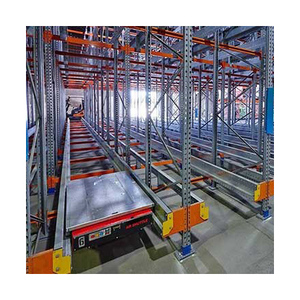
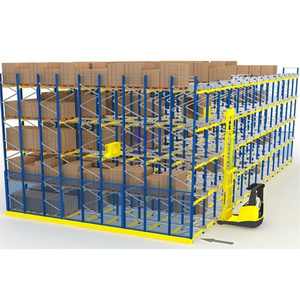
Yes. Due to our standardized modular upright punching matrix (compatible with 50 mm and 75 mm pitch configurations), standard wide aisle selective racking can be reconfigured dynamically. Lower levels can be converted into high-throughput piece-picking carton flow lanes with adjustable roller beds, or select bays can be converted to hold pallet shuttle drive-in rails without replacing the primary vertical upright column infrastructure.
Ready to Engineer Your Swiss Warehouse Storage Project?
Consult directly with our structural racking engineers. Send your facility CAD drawings, ceiling clearances, pallet weights, and regional cantonal location for a complete technical design review and competitive manufacturer-direct proposal.