Engineered Equipment Lineup
Pallet Racking & High-Density Storage Solutions
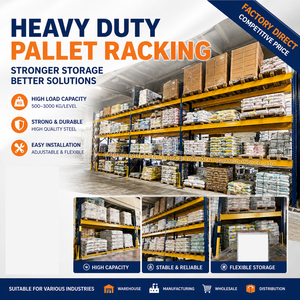
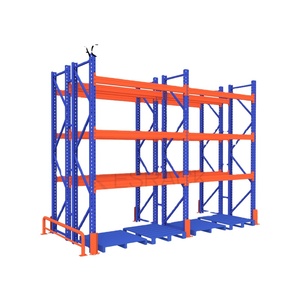
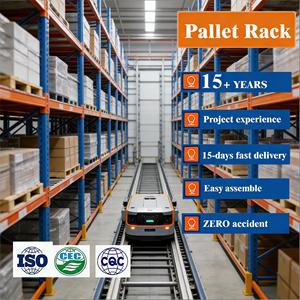
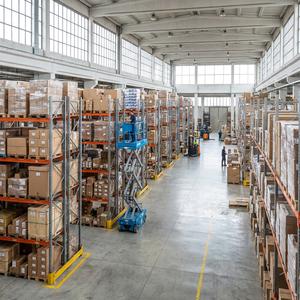
Precision-engineered structural and roll-formed systems manufactured to ANSI MH16.1 / JIS seismic standards for warehouse operations throughout Osaka, Kobe, and the greater Kansai region.
70+
Years Engineering History
100%
RMI & JIS Structural Match
-30°C
Cold-Chain Radio Shuttle Spec
0.6g+
Seismic Acceleration Resistance
Engineering High-Density Pallet Shuttle Solutions for the Greater Osaka Logistics Corridor
As the commercial heartbeat of the Kansai region, Osaka functions as Japan's second-largest distribution nucleus, bridging domestic shipping lines with key international ports across Osaka Bay, Nanko, Sakishima, and Maishima. Modern distribution centers across Suminoe-ku, Sakai, and Ibaraki are confronting steep challenges: real estate square-footage leasing rates have surged to historic highs, while stringent energy-efficiency guidelines mandate maximum cubic space utilization for temperature-controlled cold chains.
For Japanese 3PL operators, food distributors, and industrial manufacturers, the traditional selective racking model is no longer economically viable due to expansive aisle footprints. Conversely, drive-in rack systems present chronic operational bottlenecks, high forklift travel cycle times, and frequent structural collisions. The engineered Pallet Shuttle Racking System (Four-Way & Two-Way Radio Shuttle) represents the definitive answer, delivering up to an 85% footprint utilization rate by eliminating working aisles within storage deep-lanes while drastically accelerating inventory turnover rates.
Technical Insight: "In Osaka Bay's high-seismic active tectonic zone, semi-automated pallet shuttle structures require calculated moment-resisting beam-to-column connections, heavy-gauge baseplates, and chemical capsule anchorage embedded into thick C30/C35 slabs to dampen lateral harmonic acceleration."
Architectural Adaptation to T11 and T12 Pallet Dimensions in Japan
A critical factor when sourcing pallet shuttle racking systems from China to the Osaka industrial market is dimensional compatibility with Japan Industrial Standards (JIS). While international operations utilize standard 1200x1000mm or 48x40-inch GMA formats, Japan's domestic consumer distribution relies overwhelmingly on JIS T11 (1100 × 1100 mm) pallets, alongside the pharmaceutical and chemical standard JIS T12 (1200 × 1000 mm).
Our OEM factory configures specialized cold-rolled guide rails featuring continuous galvanized anti-slip track profiles. These accommodate bidirectional shuttle vehicle transit without tracking yaw or pallet deflection. Furthermore, the runner guide rails incorporate safety stoppers, photoelectric positioning markers, and lead-in alignment guides tailored specifically for plastic slip-sheet pallets, two-way wooden skids, and Euro wooden platforms commonly encountered in intermodal transshipment at Osaka Port.
Industrial Applications
Tailored Deployment Across Osaka's Key Commercial Sectors
Our racking engineers evaluate site ceiling clearances, floor slab load capacities, and daily dispatch throughput to deploy optimized radio shuttle configurations across the Kansai industrial belt.
Osaka Bay Cold Chain & Fishery Logistics
Operating in automated deep-freeze environments (-25°C to -30°C) across Nanko and Izumisano facilities. High-density shuttle systems drastically decrease the refrigerated cubic volume requiring climate conditioning, maximizing return on electricity expenses.
3PL & E-Commerce Hubs (Ibaraki / Kadoma)
Serving central delivery hubs fulfilling rapid e-commerce volume. Configured for dynamic FIFO/LIFO turnover with high-speed shuttles traveling at 1.2 m/s empty and 0.8 m/s loaded, enabling multi-shift picking buffers without aisle congestion.
Sakai Industrial & Automotive Components
Robust heavy-duty Q355B structural steel construction built for metal fabricators and precision automotive parts staging. Supports 1,500 kg+ per pallet payload with rigid upright frames and impact-resistant floor-level guide rails.
Technical Benchmark: Pallet Shuttle vs. Drive-In vs. AS/RS
Deciding on capital expenditure (CAPEX) for a warehouse in Osaka requires balancing building utilization against mechanical complexity, seismic compliance, and total lifecycle costs.
| Performance Metric | Pallet Shuttle System | Traditional Drive-In Rack | Automated AS/RS Crane System |
|---|---|---|---|
| Storage Density Efficiency | Very High (Up to 85% floor cube) | High (Up to 65% floor cube) | Maximum (Up to 90% floor cube) |
| Pallet Cycle Throughput | Fast (Shuttle moves inside deep lane) | Slow (Forklift drives slowly inside rack) | Fully Automated (Crane dependent) |
| Forklift Rack Impact Risk | Negligible (Stays outside front face) | Severe (High probability of column hit) | Zero (No manual forklift entry) |
| Operating Temperature | -30°C to +45°C (LiFePO4 battery pack) | Ambient to Cold Storage | Specialized Cold-Spec Sensors Required |
| CAPEX Investment | Moderate (Fast ROI under 24 months) | Low (High labor & repair costs) | Extremely High (Extended ROI timeline) |
| Seismic Performance in Japan | Engineered to JIS / RMI 0.6g lateral | Sensitive to frame sway under load | Requires massive concrete foundation tie-in |
Trends Shaping Warehouse Logistics in Osaka & Kansai (2024–2030)
The material handling sector across Japan is undergoing profound structural shifts catalyzed by legislation and changing demographics. Three distinct macroeconomic factors dictate racking engineering specifications for new builds and brownfield retrofits:
1. The "2024 Problem" and Truck Driver Shortages
With Japan's statutory cap on truck driver overtime hours now in effect, logistics centers in Osaka must accelerate truck dock turnaround times. Staging lanes and distribution rack buffers cannot tolerate delays. By deploying radio shuttle systems at dock-adjacent replenishment banks, warehouse teams can load and unload pallet flows in half the time compared to standard selective bays, mitigating demurrage fees and streamlining dispatch schedules.
2. Transition from AS/RS Cranes to Flexible Shuttle Automation
While massive fixed-crane Automated Storage and Retrieval Systems (AS/RS) were historically popular among major Japanese conglomerates, contemporary operators require agility. Fixed AS/RS stacks are capital-intensive and costly to reconfigure. In contrast, modular Pallet Shuttle systems allow Osaka businesses to scale vehicle fleets incrementally—adding shuttles as SKU counts grow without taking down whole warehouse bays.
3. Rigorous JIS and Osaka City Fire Code (消防法) Compliance
Warehouse construction under the Osaka Municipal Fire Department regulations mandates strict in-rack ESFR sprinkler head clearances and smoke barrier access. Our engineering team conducts CAD airflow and fire suppression simulation mapping, ensuring shuttle track depths, flue spaces (longitudinal and transverse), and baseplate structural anchoring align precisely with municipal safety inspections.
Factory Capabilities
Why Kansai Procurement Teams Specify Our Manufacturing
Combining heavy industrial manufacturing capacity in China with international compliance standards to deliver high-precision, cost-optimized racking systems direct to Osaka Port.
RMI & ANSI MH16.1 Certified
All upright columns, box beams, and shuttle guide rails are roll-formed from certified high-tensile steel (Q235B, Q355B), meeting strict international rack specifications.
In-House Structural Engineering
Decades of structural engineering design: FEA seismic stress modeling, localized load-bearing calculations, slab embedment depth calculations, and customized CAD layout service.
Automated Powder Coating Line
Advanced multi-stage pre-treatment and automated electrostatic powder-coating lines produce an ultra-durable, corrosion-resistant finish capable of enduring humid Osaka coastal air.
Dedicated Project Management
End-to-end management from custom manufacturing and container packing to sea freight delivery into Osaka/Kobe ports, complete with detailed installation drawings and technical guidance.
Got Questions?
Frequently Asked Questions for Osaka Warehouse Procurement
Direct engineering answers addressing the concerns of Japanese warehouse owners, 3PL managers, and procurement officers.
How do your pallet shuttle systems satisfy Japanese seismic design (耐震基準) requirements?
Every racking system engineered for the Osaka and Kansai region undergoes site-specific dynamic analysis conforming to the Building Standard Law of Japan (建築基準法) and JIS standards. Our engineers incorporate thickened column profiles (up to 2.5mm or structural channel), reinforced diagonal bracing patterns, oversized baseplates, and high-strength M16/M20 chemical anchor bolts engineered to resist seismic ground acceleration exceeding 0.6g.
Can the shuttle vehicle operate seamlessly with JIS T11 (1100x1100mm) pallets?
Yes. Our shuttle carriers are custom programmed and mechanically calibrated for standard JIS T11 plastic and wooden pallets. Sensor configurations detect pallet bottom deckboards precisely, ensuring centered lifting without damaging pallet skids or product packaging overhang.
What battery technology is used for cold storage warehouses in Osaka Port?
For low-temperature facilities down to -30°C, we specify military-grade Lithium Iron Phosphate (LiFePO4) battery packs equipped with internal heating elements. These batteries provide 8 to 10 hours of continuous heavy-load operation on a 3-hour fast charge, preventing capacity drop-offs caused by freezing ambient conditions.
What is the typical shipping lead time and customs process from China to Osaka Port?
Manufacturing typically requires 25–35 days depending on the project volume and customized roll-forming requirements. Direct sea shipping from Shanghai or Ningbo to Osaka Port takes only 3 to 5 days on standard container vessels. We provide full export packing documentation, mill test certificates, and pallet loading diagrams to simplify customs clearance with Japanese forwarders.
Can damaged upright frames or shuttle guide rails be repaired or replaced locally?
Yes. All our profiles adhere to standardized industrial tooling dies. We maintain comprehensive architectural drawings of every project and can supply engineered bolt-on column repair kits or spare guide rails promptly. Critical electronic shuttle spare parts (sensors, remotes, wheels, batteries) are shipped with the initial order as an emergency spare package.