High-Density Dynamic Systems & Heavy Duty Warehouse Racking
Explore our heavy-duty industrial storage systems engineered for maximum cubic volume efficiency, extreme seismic resilience, and seamless compatibility with standard Euro pallets (EPAL 800×1200mm) and industrial loads across Greece.
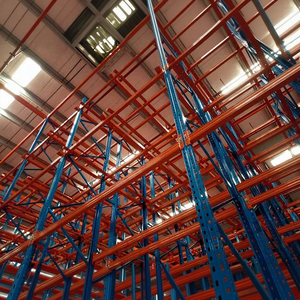
Heavy Duty Single Deep Selective Pallet Storage Rack
Corrosion-protected, powder-coated structural steel engineered for fast-moving SKU distribution and direct reach in high-throughput Greek supply depots.
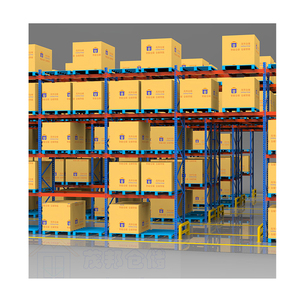
Industrial Heavy Duty Metal Warehouse Pallet Racking
High-torsion beam framing and multi-hook connection plates designed to resist lateral seismic forces in seismically active Greek Hellenic regions.
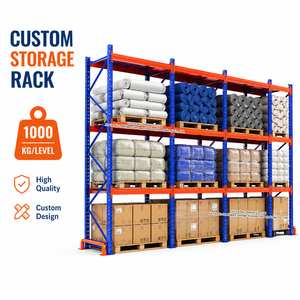
1000KG Pallet Load Adjustable Storage Racking System
Certified point load rating of 1,000 kg per pallet position, perfectly tailored for olive oil, wine bottling, and canned agricultural wholesale facilities.
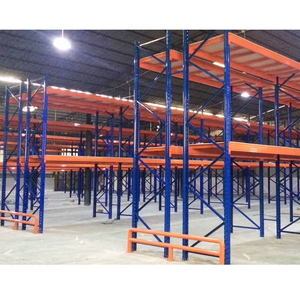
Heavy Duty Metal Pallet Shelving & Staging Racks
Rigid upright channel geometry with integrated deck supports; provides reliable dual handling for both raw pallets and boxed bulk merchandise.
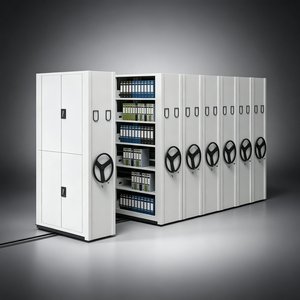
High Density Mobile Compact Racks & Rolling Bases
Electric and mechanical-assist movable storage bases that condense operational footprint by up to 50% in premium coastal warehousing parcels.
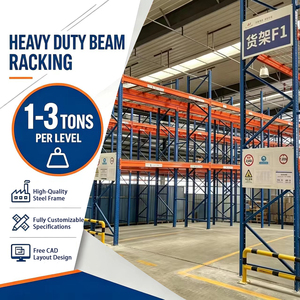
Adjustable Frame Warehouse Storage Racking
Flexible vertical beam pitch with 50mm/75mm micro-adjustability, meeting diverse seasonal pallet stacking heights in 3PL transit platforms.
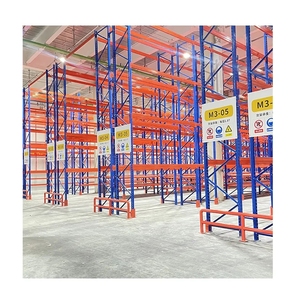
Industrial Heavy Duty Certificated Pallet Racks
Heavy hot-rolled and cold-formed structural steel hybrid construction tested rigorously for cold room sub-zero (-30°C) logistics environments.
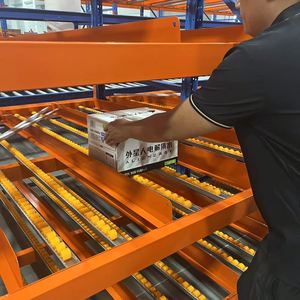
Modular Multi-Tier Carton & Tote Gravity Flow System
Dynamic roller tracks configured for continuous split-case order picking, omnichannel fulfilment, and pharmaceutical distribution hubs in Athens.
Push Back Racking Mechanics: High-Density LIFO Dynamics for Hellenic Warehousing
As Greece cements its status as the premier southern maritime gateway into Central and Eastern Europe, supply chain executives face acute pressure to maximize vertical warehouse volume while preserving operational throughput. Push back racking systems (push racks) offer the definitive solution: a high-density, dynamic Last-In, First-Out (LIFO) pallet storage geometry that eliminates interior forklift driving lanes while yielding up to 90% higher cubic storage utilization compared to standard single-deep selective racking.
Unlike drive-in racking—where lift truck operators must physically enter deep storage tunnels, creating high risks of column impact and slowed pallet cycle times—push back racking operates strictly from the aisle face. Pallets rest upon a series of nested, telescoping structural carts that glide along inclined heavy-duty structural steel channel rails. When an operator loads the initial pallet, it sits on the topmost nested cart. Loading the second pallet gently pushes the first cart backward along the low-profile rail gradient, exposing the second cart beneath. This nested sequence repeats up to 6 pallets deep. Upon unloading, gravitational energy controlled by calibrated rail inclines gently advances each trailing pallet forward to the picking face at a controlled speed.
Our push back systems are fabricated using heavy structural channel framing and low-profile nested cart carriers featuring sealed, heavy-duty flanged steel ball bearings. This ensures that even under maximum rated loads of 1,500 kg per pallet, required forklift push-in force remains below 4% of total load weight, eliminating mast strain and ensuring smooth operator control.
Localized Applications Across Greece's Primary Logistics Corridors
From deep-sea intermodal terminals along the Saronic Gulf to the agricultural export hubs of Macedonia and Thessaly, our push racks are engineered to conquer local operational constraints.
Piraeus & Thriasio Pedio Cross-Dock Logistics
The COSCO-managed Piraeus Container Terminal (PCT) drives intense demand for ultra-dense staging infrastructure in the Aspropyrgos and Magoula industrial plains. Push back rack systems allow maritime cross-dock freight forwarders to buffer palletized import containers 4-deep and 5-deep by bill of lading, maximizing floor area where land acquisition costs command historic premiums.
Thessaloniki (Sindos) Balkan Gateway Consolidation
Located in the Industrial Area of Sindos and Kalochori, northern Greek distribution depots serve as export arteries into North Macedonia, Bulgaria, and the wider Balkans. Push racks offer rapid FIFO-by-lane or LIFO multi-pallet buffering for fast-moving retail consumer packaged goods (FMCG), mitigating truck loading congestion along the Egnatia Odos transport corridor.
Cold Storage & Food Logistics (Patras & Larissa)
Refrigerated and frozen cubic space (-18°C to -25°C) in Greek dairy (Feta cheese), processed meats, and frozen agricultural consolidation sites incurs immense power overhead. Implementing 4-to-6 deep push back racks compresses energy bills by drastically slashing air volume wastage, operating reliably without cart seizure using our low-temperature synthetic bearing lubricants.
Structural Matrix: Comparative System Dynamics & Load Verification
Evaluating load kinematics, cubic volume utilization, and seismic resilience across standard industrial warehousing configurations.
| Storage System Type | Cubic Density Rating | Pallet Selectivity | Operating Dynamic | Eurocode 8 Seismic Resilience | Recommended Greek Industry |
|---|---|---|---|---|---|
| Push Back Racking (Nested Carts) | 85% - 90% | Lane Face 100% | LIFO (Gravity Return) | High (Low Center of Mass) | Cold Storage, FMCG, Attica 3PL Hubs |
| Single Deep Selective Racking | 50% - 60% | 100% Every Pallet | FIFO / LIFO Direct | Standard Dynamic Bracing | High-SKU E-commerce, Retail Buffers |
| Drive-In / Drive-Thru Systems | 80% - 85% | Low (Per Tunnel) | LIFO / Strict FIFO | Requires Heavy Column Shrouds | Seasonal Bulk Crop, Agricultural Canning |
| Pallet Flow (Gravity Roller Bed) | 90% - 95% | Lane Face 100% | Strict FIFO (Gravity Incline) | Engineered Speed Dampeners | Perishable Dairy, Pharmaceuticals |
| Heavy Duty Mezzanines & Shelving | Custom 2x-3x | Bin Level Manual | Static Manual Access | Moment Frame Anchoring Required | Spare Parts Depots, Piraeus Marine Spares |
Hellenic Logistics Modernization: Five Structural Trends Driving Push Rack Adoption
The Greek logistics real estate market has experienced transformative modernization over recent quarters. Industrial investments across Attica, Central Macedonia, and Western Greece indicate rapid structural shifts:
1. Premium Land Valuations in Western Attica
With prime logistics land in Aspropyrgos and Magoula exceeding historic benchmarks per square meter, logistics operators cannot afford sprawl. Push back systems double effective capacity on existing floor plates without requiring civil extensions or property acquisition.
2. Mandatory Seismic Engineering (EN 16681)
Greece sits within Europe's highest seismic hazard zone. Upright frames and footings must withstand intense ground acceleration spectra under EN 1998 (Eurocode 8) and EN 16681. Our push back frames feature oversized baseplates and high-yield structural steel anchoring calculated for local Hellenic soil classes.
3. European Cold Chain Decarbonization
Soaring industrial energy tariffs incentivize Greek refrigerated warehouse operators to eliminate dead aisle volume. Push back systems minimize the cubic volume requiring chilling per pallet stored, cutting cooling energy consumption by up to 28%.
4. Cross-Border Intermodal Freight Velocity
Rail freight connectivity linking Piraeus Pier II & III to Central Europe requires buffer depots capable of loading and unloading articulated trucks in minutes. Push racks accelerate cycle times by keeping all pallet loads within single-aisle forklift reaches.
Nearly 70 Years of Precision Engineering Heritage
Specifying enterprise-scale racking demands absolute structural confidence. We combine decades of industrial storage innovation with comprehensive international certification, exporting turnkey storage solutions to distribution operators across Greece and Europe.
- Full Seismic Verification: Engineered calculations adhering strictly to Eurocode 8, EN 15512, and ANSI/RMI MH16.1 specifications.
- Automated Multi-Stage Powder Coating: Thermoset epoxy-polyester coatings delivering superior corrosion resistance against humid Mediterranean coastal atmospheres.
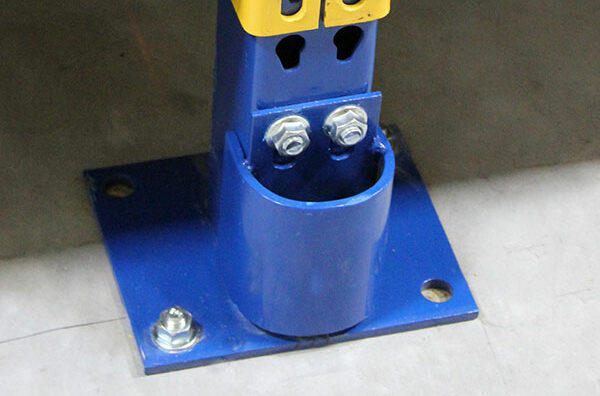
- Structural Impact Defenses: Integrated heavy-duty column shrouds, welded bullnose floor protectors, and guide rails to safeguard critical frames.
- Direct Export Documentation: Complete CE Conformity Declarations, mill test certs, detailed CAD assembly drawings, and shipping manifests.
Structural Seismic Calculation & Anchor Embedment for Greek Ground Conditions
Greece presents one of the most demanding seismic environments in the European Union, categorized into distinct Seismic Hazard Zones (Zone I: ag = 0.16g, Zone II: ag = 0.24g, Zone III: ag = 0.36g) according to the Greek Seismic Code (EAK-2000) and Eurocode 8 (EN 1998-1). Pallet racks are dynamic steel structures with non-rigid beam-to-column beam-lock joints; when fully loaded, an unexpected ground tremor produces intense lateral hydrodynamic forces, p-delta sway moments, and heavy torsional uplift on base plates.
To safely install push racks or selective pallet systems in Attica, Corinth, or Patras, rack design must incorporate the fundamental parameters defined by EN 16681 (Steel static storage systems - Adjustable pallet racking systems - Principles for seismic design):
Effective Slab Embedment
Seismic uplift requires wedge anchors or concrete screw anchors certified for cracked concrete (ETA Option 1). Nominal drill depth is insufficient; effective embedment depth (h_ef) must be engineered against punch-out cone failure based on actual slab compressive strength (typically C20/25 or C25/30 in Greek industrial parks).
Ductility & Connection Dissipation
Rather than failing brittlely under tremor shocks, our upright upright-to-beam connectors feature engineered steel tooth engagement plates that dissipate seismic kinetic energy without unlocking, verified via cyclical hysteretic testing.
Baseplate Footing Enlargement
High vertical accelerations require oversized, CNC-plasma-cut baseplates (minimum 12mm to 16mm thickness) with multi-anchor slotting. This distributes dynamic compressive impact evenly across the concrete slab, preventing localized floor cracking.
Frequently Asked Questions by Greek Warehouse & Supply Chain Engineers
Authoritative technical answers addressing compliance, installation, compatibility, and import logistics for Greece.
Are your push back and pallet rack systems compliant with Greek Seismic Regulations and Eurocodes?
How do push back cart systems accommodate both standard Euro pallets (EPAL) and ISO industrial pallets?
What concrete slab thickness and reinforcement are required for a 4-deep or 6-deep push back system?
How does the shipping, customs clearance, and delivery process work for deliveries into Piraeus or Thessaloniki?
Can push racks be utilized inside sub-zero industrial cold storage facilities in Greece?
What routine maintenance is required for push rack carts and gravity rails?
Ready to Modernize Your Greek Logistics Facility?
Send our senior project engineers your warehouse AutoCAD drawings, ceiling clear heights, and pallet load configurations. We deliver a complete, seismically engineered push rack layout and export quotation within 48 hours.